This Is Your Brain On Booze
The Washington Post is very lucky to have on its staff Richard Sima, the “Brain Matters” columnist. Dr. Sima holds a Ph.D. in neuroscience from Johns Hopkins University with a bachelor’s degree in neurobiology from Harvard University.
Dr. Sima left medicine to practice journalism. I can only imagine how disappointed his parents must be. Imagine trying to pay back med school loans on a journalist’s salary. Imagine a journalist having a salary.
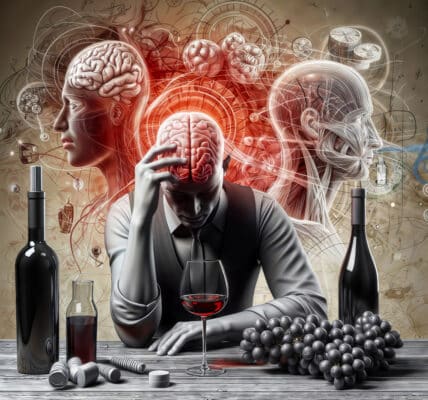
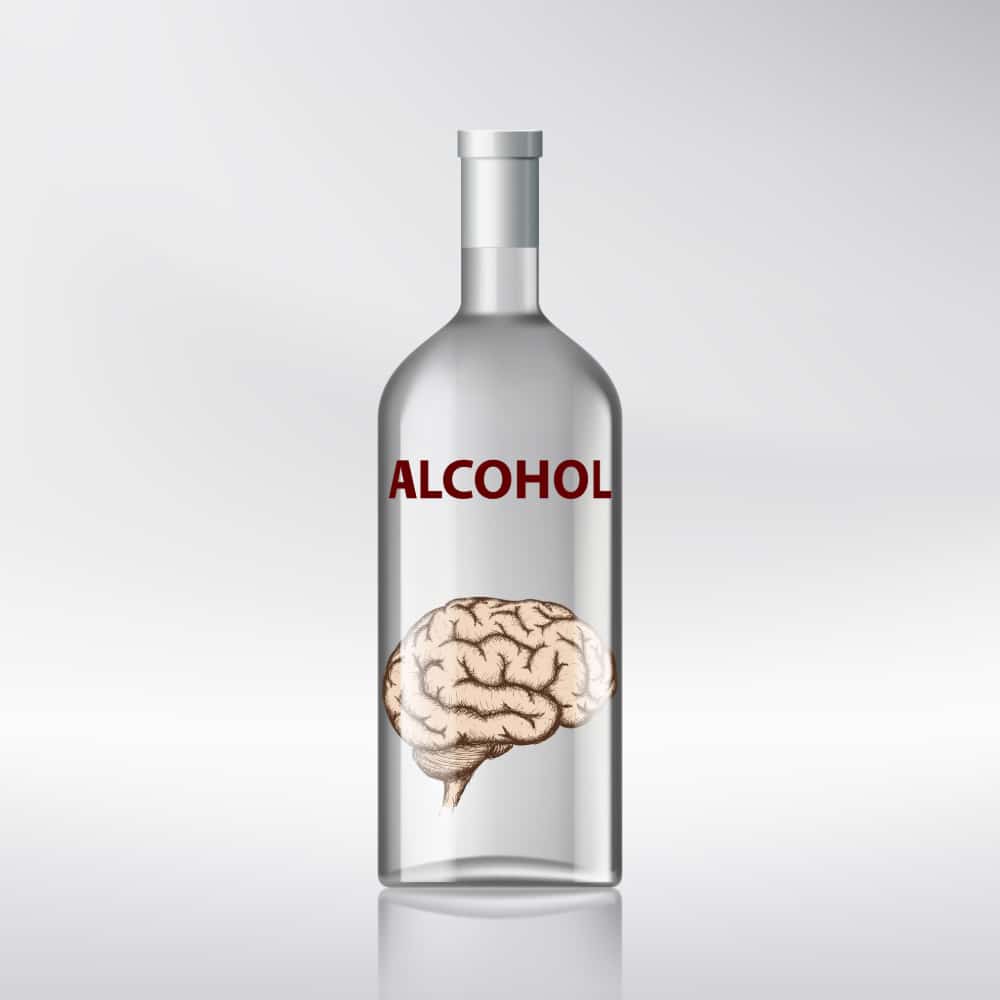
When it comes to reporting on the brain, Dr. Sima is a knowledgeable guide. Recently, he wrote a deep dossier on what alcohol does to the human brain, including the remarkable recovery the brain makes when alcohol consumption is curtailed or eliminated.
Dr. Sima goes right to the top to explain the effects of alcohol on the brain. He interviews Dr. George Koob, director of the National Institute on Alcohol Abuse and Alcoholism (NIAAA). Dr. Sima summarizes:
Research shows that over time, alcohol can change the brain, leading to decreases in gray matter volume. And even relatively low levels of alcohol may worsen feelings of anxiety and depression, disrupt sleep, and, over time, increase dementia risk, in addition to upping other health problems, such as breast and colorectal cancer risk.
Dr. Koob says the first drink of alcohol can cause “a euphoric intoxication,” releasing endorphins which activate the dopamine neurons in the brain’s reward circuitry. In the short term, it reduces anxiety and stress. However, when the euphoria wears off, the anxiety and stress come roaring back.
If alcohol is used repeatedly to relieve stress, a tolerance is developed. It takes more alcohol, over time, to generate the same euphoric effect. And the stress caused when alcohol is not available becomes very intense. “People experience a chronic negative emotional state,” Dr. James MacKillop told Dr. Sima.
Dr. James MacKillop is a professor of psychology and behavioral neurosciences at McMaster University in Hamilton, Ontario, Canada. He is a specialist in substance use disorders who has integrated behavioral economics and “neuroeconomics” into his research into healthy and unhealthy choices.
Dr. MacKillop was the lead author on a study of alcohol use disorder in the journal, Nature. His description of the causes of alcoholism should be familiar by now: a portion is genetic, passed down by parents with alcohol use disorder, and the remainder is environmental, related to “adverse childhood exposures and maladaptive developmental trajectories.”
It’s interesting that Dr. MacKillop does not cite alcohol as one of the causes of alcoholism, only genetics and environment. If it turns out that genetics only matter if environmental factors come into play, then we’re down to a single cause for alcoholism that activates any genetic predisposition: Environmental factors, also known as stress.
Dr. Sima goes on to cite several recent studies that show the recovery of gray matter when alcohol consumption is reduced or eliminated. A systematic review of 16 studies found most cognitive functioning restored after 6-12 months of abstinence.
Dr. Koob and Dr. MacKillop agree that the brain damage done by alcohol use disorder (AUD) is proportional to the abuse: The more often people drink, and the greater the quantity, the more severe the effects. Likewise, the more people with AUD reduce their alcohol consumption, the faster the recovery.
The reduction of alcohol consumption brings appealing benefits for those who suffer from AUD:
Researchers found that participants [in month-long sobriety challenges] reported increases in their overall well-being, including losing weight, sleeping better, saving money, and having heightened energy and concentration.
Completely unrelated research that demonstrates the contribution of stress to AUD is being done by Dr. Rajita Sinha, a professor of neuroscience and psychiatry at the Yale University School of Medicine. Forbes writes that Dr. Sinha takes a “different approach” to explaining AUD. She “emphasizes that addiction disrupts our stress biology and ability to find new ways of tolerating distress.”
She is particularly concerned about how dependence on alcohol is built “around drinking in response to a stressful event.” Forbes writes that “Dr. Sinha is currently researching the intersection of stress and addiction with a focus on how GLP-1s may play a role in mitigating what she calls the ‘coping pathway’ or how people handle stress.”
Not surprising to regular readers of AddictionNews, Dr. Sinha tells Forbes that consuming comfort foods “activates a similar stress pathway in the brain and body as consuming alcohol.” The conclusion is that GLP-1 drugs may be effective for treating both alcoholism and obesity because they alter the way the body responds to stress.
Written by Steve O’Keefe. First published August 14, 2026.
Sources:
“Here’s what happens to your brain when you stop drinking alcohol,” The Washington Post, August 4, 2026.
“GLP-1s And Alcohol Addiction: Potential Benefits And What You Need To Know,” Forbes, July 29, 2026.
“Hazardous drinking and alcohol use disorders,” Nature, December 22, 2022.
Image Copyright: vantuz.