
The Kratom Controversy
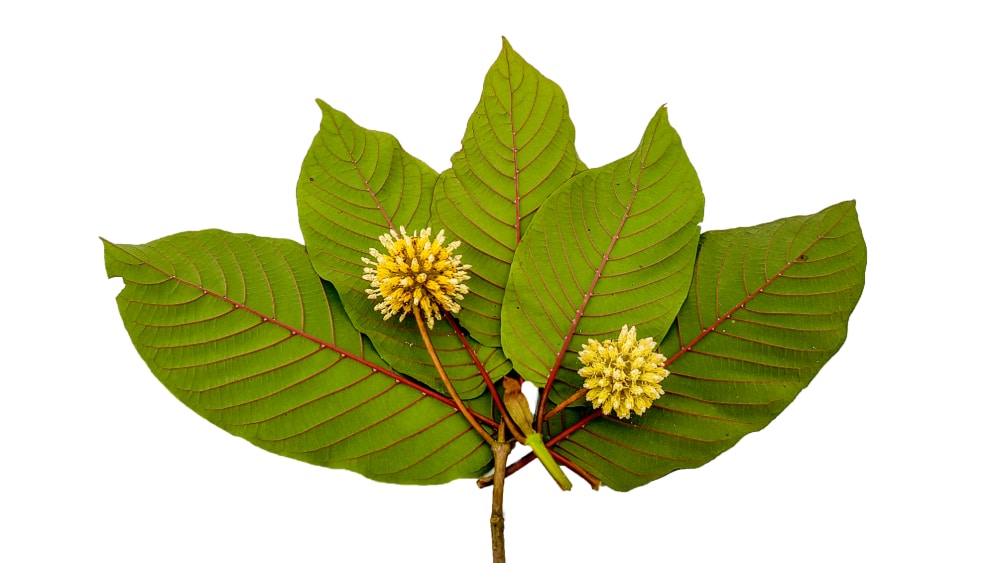
Kratom is a natural product made from the leaves of a tree that grows in Southeast Asia (mitragyna speciose). The plant has been used as a pain reliever for centuries. It activates opioid receptors in the brain, yet it also acts as a mild stimulant. This combination of euphoria and stimulation is unique and habit-forming.
Kara Gavin, a researcher and journalist working with the University of Michigan Institute for Healthcare Policy and Innovation, recently published an updated and expansive look at what’s happening with kratom. The controversy over its use is similar to that surrounding vaping, which can help people stop smoking but can itself become an addiction.
Kratom is seen as less harmful than other opiates, such as heroin or fentanyl. It is therefore a good substitute for people trying to kick an opioid addiction. However, it can be addictive as well, and it can even have lethal side effects.
Some people see kratom as a natural product that should not be classified as a drug and should be available for adults to use at their own discretion. Others see kratom as a dangerous drug whose sale should be regulated at least as tightly as alcohol or cannabis.
Today, in 19 U.S. states, there are no regulations whatsoever on the sale of kratom or 7-OH. 7-OH is found in the kratom leaf, but most products sold as 7-OH are “lab-made or synthetic,” according to Garvin, with concentrations far greater than found in kratom leaves.
Eight states ban kratom, 7-OH, and related products. The remainder of the states regulate the sale of kratom and 7-OH under the Kratom Consumer Protection Act (KCPA), model legislation that shifts kratom and 7-OH out of the category of “unregulated supplements” and into an age-restricted product tested for consumer safety.
Gavin explains the problems caused by excessive kratom use:
[B]oth kratom and 7-OH act on the brain’s opioid receptors. And for some people, that triggers a need to buy ever-higher doses to get the same effect, and a pattern of craving another dose sooner than before.
Gavin interviews Dr. Eliza Hutchinson, head of the Medications for Addiction Treatment (MAT) team at the Packard Health Clinic in Ann Arbor, Michigan. Dr. Hutchinson treats patients trying to break a kratom dependence with buprenorphine, an opioid commonly used in the treatment of addictions to heroin, OxyContin, or fentanyl.
On July 1, the U.S. Drug Enforcement Administration (DEA) published a notice that it intends to “temporarily” schedule kratom, 7-OH, and related substances as under Schedule 1 of the Controlled Substances Act. The public comment period ended July 31, and the change could come into effect at any time, making “the manufacture, distribution, sale, and possession of covered 7-OH substances […] subject to criminal, civil, and administrative provisions of the Controlled Substances Act.”
Dr. Hutchinson says she is already seeing people concerned their supply of 7-OH is about to disappear and want help getting off the drug. She is worried that with the sudden change “some people may turn to more dangerous opioids such as fentanyl to stave off withdrawal from 7-OH.”
Gavin recommends the website FindTreatment.gov for assistance finding an addiction treatment facility. The Medications for Addiction Treatment team at the University of Michigan is spreading the word to healthcare providers about the use of buprenorphine in the treatment of a kratom dependency. They offer a free class for medical professionals that qualifies for continuing education credit.
The new restrictions on kratom and 7-OH are welcome and warranted. It will not stop their use in the treatment of drug dependencies such as opioid use disorder, but it will hopefully keep them out of the hands of kids and reduce the number of people who develop kratom or 7-OH dependencies.
Written by Steve O’Keefe. First published August 17, 2026.
Sources:
“What’s the latest on 7-OH and kratom availability and addiction care?,” Michigan Medicine, July 31, 2026.
“Kratom — Pharmacology, Clinical Implications, and Outlook: A Comprehensive Review,” Pain and Therapy, January 28, 2020.
“Kratom as a substitute for opioids: Results from an online survey,” Drug and Alcohol Dependence, September 2019.
Image courtesy of Wikimedia Commons, used under Creative Commons license.