
Dopamine TV
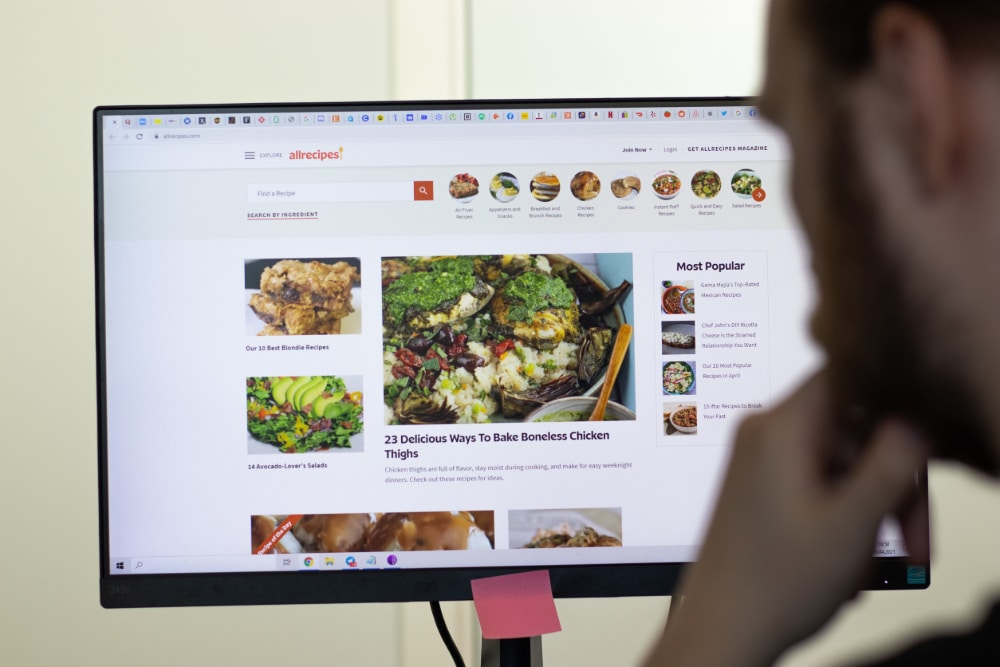
Imagine you’re awake late at night and wishing for a little snack. So you fire up the smartphone and go to a website that offers an incredible array of delicious snacks that you can have delivered in minutes.
You load up the shopping cart, pay a ridiculous sum of money at checkout, and then wait. The food never comes. The whole shopping and paying experience was fake. Welcome to Dopamine TV!
The Korea Times was the first to get a whiff of this new Gen Z trend of satisfying cravings with simulated experiences. The newspaper told the stories of several students in South Korea who use dopamine sites to relieve stress.
Along with the fake food delivery site, students use a “smoke break” app that allows them to join a real smoke break virtually. While that might seem like self-torture for someone trying to give up smoking, users find it “strangely comforting.”
Some students say just browsing the items for sale in a fake store is stress-relieving. They know their purchases will not cost anything, but they still feel a thrill adding items to a cart and checking out.
Other people enjoy watching the fake tracking app bring their fake purchases to them. It provides a break by temporarily satisfying an urge without actually indulging or spending any money. A good word for it might be “playcebo.”
The use of virtual experiences to relieve loneliness and stress has a long history in South Korean technology. The country is the home of mukbang, the practice of watching others eat large quantities of food.
The Korea Times interviewed Dr. Heonshik Kim, a researcher in social and cultural studies at Jungwon University, who said the dopamine sites satisfy viewers’ appetites without actually eating. He recommends the sites for people who wish to restrict their intake of alcohol, tobacco, and food.
The scientific theory underpinning dopamine TV is called the “elaborated intrusion” theory, or EI. EI explains how cues trigger intense cravings. The theory, however, states that mental imagery, once triggered, accelerates cravings. Wouldn’t watching intense imagery cause cravings to get worse?
In January 2020, the Journal of Consumer Marketing published research connecting mental imagery with cravings. Researchers led by Miguel Angel Zúñiga at the Graves School of Business and Management at Morgan State University in Baltimore, Maryland, recruited 314 participants and exposed them to images of healthy and unhealthy foods.
After exposure to the imagery, participants completed surveys on:
- craving state
- food cravings
- imaging ability
- BMI
- dietary restraints
- hunger
- mood
Researchers then assessed the impact of measured food cravings on food intake and price sensitivity. Not surprisingly, researchers concluded:
[V]isual imagery was found to be the strongest stimulus inducing food craving followed by olfactory, gustatory and auditory stimuli.
They also learned that increased food cravings increased both the quantity of food consumed and the willingness to pay a higher price for food. It does not sound to me like dopamine TV would reduce cravings, unless it showed unappealing foods or situations.
In the journal Current Obesity Reports, Dr. John May, professor emeritus in the School of Psychology at the University of Plymouth in the U.K., and his colleagues, explain how dopamine TV might satisfy urges:
There is now substantial evidence that tasks that compete for limited working memory resources with food-related imagery can reduce desires to eat that food, and that positive imagery can promote functional behavior.
One of the ways dopamine TV works is by changing the conditioned response to cravings. People learn that the craving to have a cigarette will pass when they endure a craving while watching other people smoke. Similarly, if cravings to eat can be endured by watching people eating, it disrupts going to the fridge or cupboard for a snack.
Dopamine TV doesn’t work only on substances of abuse, but also on other compulsive behaviors. Dr. May writes:
This is one of the ideas behind acceptance-based therapies, or mindfulness training, which are increasingly used in psychological treatments, especially for disorders where intrusive thoughts are known to play a role, such as depression, obsessive compulsive disorder, and anxiety.
If you are struggling with compulsive behavior or thoughts, why not give dopamine TV a try? The evidence indicates that if you can satisfy that urge for even a few moments using visual imagery, you can break compulsive behavior and reduce compulsive thoughts.
Written by Steve O’Keefe. First published July 6, 2026.
Sources:
“Gen Z turn to ‘dopamine sites’ for quick comfort,” The Korea Times, May 27, 2026.
“Picture this: the role of mental imagery in induction of food craving – a theoretical framework based on the elaborated intrusion theory,” Journal of Consumer Marketing, January 14, 2020.
“Elaborated Intrusion Theory: A Cognitive-Emotional Theory of Food Craving,” Current Obesity Reports, February 2012.
Image Copyright: deadburnett.