Opioid Receptors in the Gut Targeted for Addiction Treatment
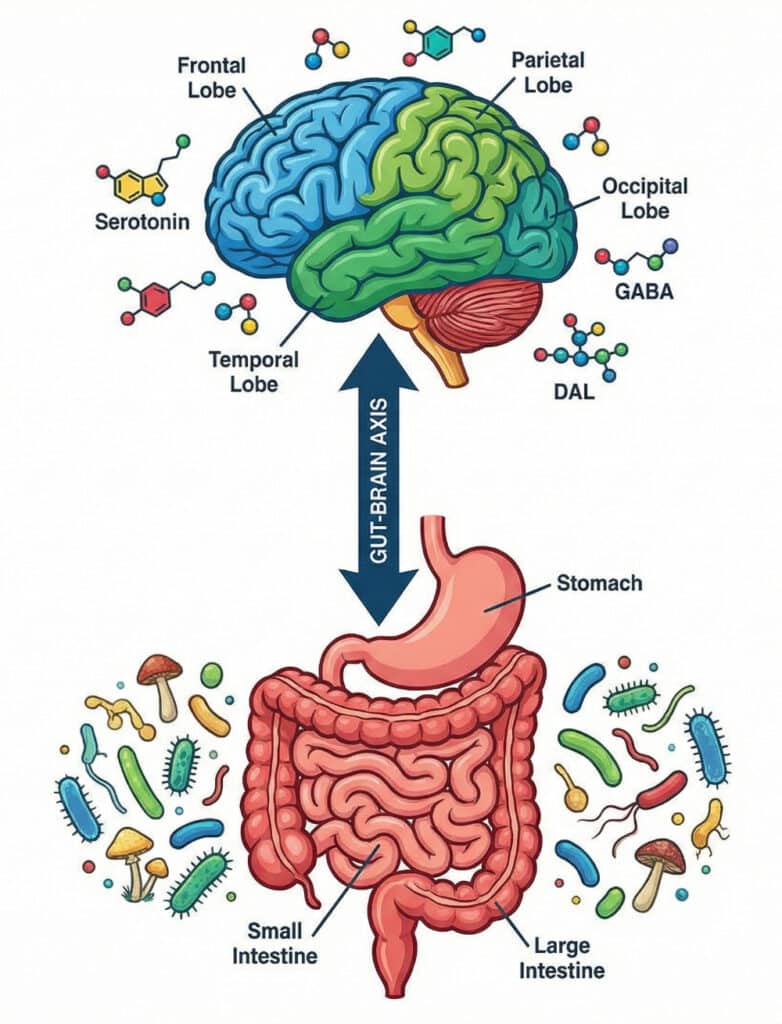
A large body of research has recently been released that points to the role of opioid receptors in the gut microbiome in addiction. The research holds promise for generating therapeutics that target the gut rather than the brain.
Let’s start in Texas, where Dr. Rosa Uribe is an assistant professor of BioSciences, a scholar at the Cancer Prevention and Research Institute (CPRIT), and co-director of the Neuroscience Initiative at the Rice University Brain Institute. In May, 2024, Dr. Uribe and her team published a study in the journal PLOS ONE revealing the “function of opioid receptors in the development of the enteric nervous system (ENS), often referred to as the ‘brain in the gut.'”
Dr. Uribe says their work on zebrafish embryos found that the opioid signalling pathway, which is involved in pain management, is “required for the developmental formation of nerves in the gut.” When they edited the genes of the embryos to knock out the opioid receptors, it also knocked out the development of the ENS.
Dr. Uribe described the ramifications of the research for Rice News:
This could have profound implications for understanding digestive disorders and potentially lead to new therapeutic approaches.
In a fascinating review in the journal Neurobiology of Stress, Spanish researcher Rubén García-Cabrerizo adds stress to the dance between the gut microbiome and addiction. “[S]tress and social interactions, which are closely linked to the intestinal microbiota, are powerful modulators of addiction,” writes Dr. García-Cabrerizo.
He pores through the scientific literature to show that:
Dysregulations triggered by stressors, social factors, and gut microbiota may play a role in the development and progression of drug addiction.
Here’s how it works, according to Dr. García-Cabrerizo. Stress, particularly when the body is developing, reduces microbiota complexity. Stress and/or exposure to harmful drugs can lead to proinflammatory bacteria, whereas healthy gut bacteria stimulate the release of anti-inflammatory cytokines. Dr. García-Cabrerizo writes:
[…] changes in the microbiota during early life periods and the exposure to stressors could potentially disrupt the signaling pathway between the gut and the brain, promoting neurodevelopmental alterations as well as vulnerability to drug exposure.
We have previously reported on how stress is the source of so many addictive and compulsive behaviors. The body is compelled to find avenues for displacing stress. Many of these activities involve placating an unhappy gut microbiome, including eating addiction, substance use disorders, eating disorders, and even behavioral addictions such as gambling addiction, compulsive shopping, and pornography addiction.
Dr. García-Cabrerizo writes that, “stressors can disrupt the permeability of the gut barrier, allowing bacteria and their components to cross the gut barrier activating the mucosal immune responses and perhaps activating the HPA axis.” Research with rodents showed that “chronic stressors induced marked alteration in gut physiology and microbial composition.”
In an interesting observation, Dr. García-Cabrerizo notes that “social stressors have been shown to induce long-lasting disturbances in the gut microbiota.” In studies conducted on undergraduate students, “perceived stress was associated with reduced gut bacterial levels.” And substance use disorders were found to deplete the gut microbiota, “amplifying the reinforcing properties” of the drugs.
The concept that addiction is a chronic brain disease has been under serious stress for quite some time. When it comes to substance use disorders and compulsive behavioral disorders, the gut might be calling the shots. The impacts of stress on the gut at an early age can be profound and long-lasting. Therapies that target the gut microbiome, such as probiotics, have shown some promise in reducing stress and inflammation. We’ll consider those therapies in a future post here at AddictionNews.
Written by Steve O’Keefe. First published April 28, 2026.
Sources:
“A targeted CRISPR-Cas9 mediated F0 screen identifies genes involved in establishment of the enteric nervous system,” PLOS ONE, May 29, 2024.
“Rice researchers uncover surprising role of opioid receptors in gut development,” Rice News, May 29, 2024.
“A gut (microbiome) feeling about addiction: Interactions with stress and social systems,” Neurobiology of Stress, March 18, 2024.
Image Copyright: EasyPeasyAI.