Lena Dunham Says We’re All the Same
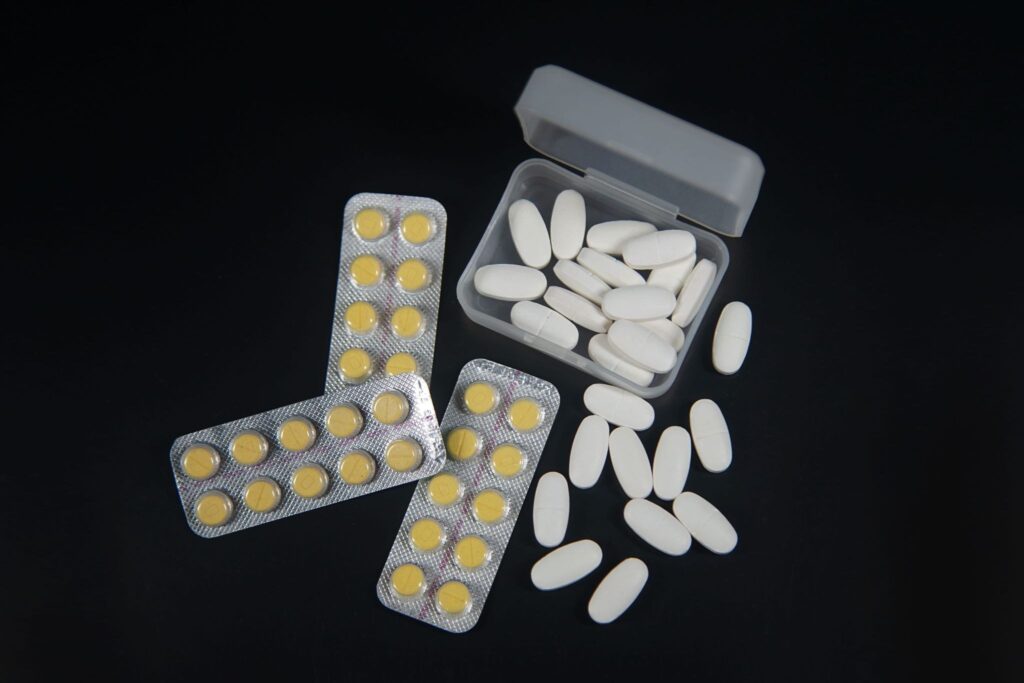
Lena Dunham is on tour to promote her memoir Famesick, a book that discusses her life and work pre- and post- development of the hit television series Girls, a show she wrote, produced, and acted in, that ended a decade ago. As the book’s title suggests, the memoir covers how she dealt with explosive fame and excessive scrutiny. This ultimately led to struggles with prescription medication. Or as she phrased it: “a dependent relationship with pharmaceuticals.”
Unified Theory of Addiction
After initially rejecting the idea that she didn’t belong in rehab – “’These people have done heroin!” — Dunham quickly came to this conclusion with respect to addiction: “We’re all the same.”
Dunham may not realize it, but the addiction insight “we’re all the same” has science to back it up. Swap out the substances or behaviors, and at the root is a trigger and a pursuit of pleasure for stress displacement, the core concept of the Unified Theory of Addiction.
Dunham describes the considerable public judgment (“intense rage about my body”) of her 20-something self as a contributing factor to the show’s many pressures. These pressures eventually drove her addictive behavior, something she didn’t immediately recognize. But in hindsight, she is quick to point out that her body remains a focus now, at age 40 and noticeably larger. Dunham has not publicly commented on her weight except to underscore the continued societal expectations that women appear a certain way.
Addiction in the Age of GLP-1s
Dunham experienced public body shaming in the 2010s, but in the emerging “Ozempic era” of GLP-1 medications, societal expectations on weight may get worse for everyone, especially those struggling with food addiction.
Using food as a preferred soothing substance can quickly lead to destructive, addictive behaviors. Food addiction, in turn, can lead to self- and/or societal body shaming. Anecdotally, cultural pressure seems to be growing more intense because a “solution” to obesity is within reach using GLP-1 medications — provided you have the financial resources.
The science behind GLP-1s continues to surprise. Specifically, this class of medication appears to have effects beyond blood sugar regulation for diabetics. Spillover effects include how the brain processes emotion and desire. There are ongoing investigations into the class of drugs’ influence on addiction. The Washington Post recently reported:
Several major studies examining GLP-1 drugs on nicotine dependence, opioid- and cocaine-use disorders, gambling addiction and binge eating are also underway.
“It’s very exciting times, but we don’t fully understand how it works,” Leggio [clinical director and deputy scientific director at the National Institutes of Health’s National Institute on Drug Abuse] said.
An Older Drug With Surprising Effects
GLP-1s are in the “limelight” for study right now concerning their impact on addiction. But an older, somewhat related drug has also established some bona fides with respect to dulling addictive behavior. That drug is Metformin.
The drug, first released in France in 1957, addresses high blood sugar found in Type 2 diabetics. In the intervening years, it has been found to have other, generally positive benefits. But a 2024 study looked at the effects of metformin on binge drinking. It found that “Metformin reduced binge-like ethanol drinking intake in acute and chronic studies in both male and female iHDID-1 mice (p’s < 0.05).”
On the surface, food addiction and alcohol use disorder might not seem related. But both share the pursuit of pleasure and need to displace stress, concepts that are central to the Unified Theory of Addiction. Dunham’s observation is correct: All addictions are “the same.”
Written by Katie McCaskey. First published June 16, 2026.
Sources:
“What Lena Dunham’s memoir tells us about TV’s double standard,” Fortune, April 16, 2026.
“Lena Dunham Says She Originally Thought ‘I Don’t Belong’ in Rehab: ‘These People Have Done Heroin’” People, May 22, 2026.
“Lena Dunham is Still Trying to Figure Out Why People Hated Her So Much,” The New York Times, April 11, 2026.
“Ozempic may be reshaping the brain, scientists say,” The Washington Post, May 28, 2026.
“Effects of metformin on binge-like ethanol drinking and adenosine monophosphate kinase signaling in inbred high drinking in the dark line 1 mice,” NIH, National Library of Medicine, 2024.
Image Copyright: graphicresource, editorial use.