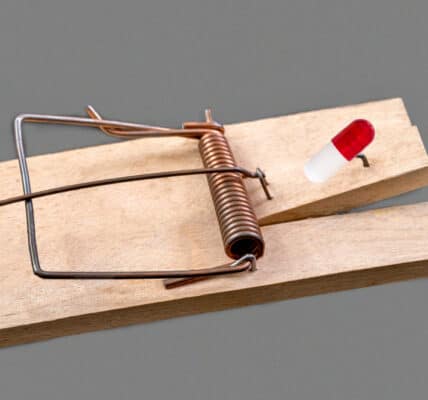
What to Look Forward to in Recovery
Because of price and other potential variables, it is quite probable that most addicts who need, and even wish, to enter a residential rehabilitation program will never have the opportunity.
By and large, residential rehab (if it is even a feasible alternative) means housing a hardcore addict in an environment that is a cross between a college dorm and a hospital. Every year, thousands of hopeful fathers and mothers grit their teeth and somehow manage to pay for their kids to go away for a cure. That alone is traumatic enough, and on top of the expense, there is the dismal probability that every single person they ever knew, or are likely to meet in the future, will learn of those parents’ perceived failure and disgrace.
In the olden days, it would often be a girl who would disappear for a while from the hometown, supposedly visiting a relative far away, but actually awaiting the birth of an illegitimate baby. Hopefully, during her absence, the young mother-to-be would study up on the European sights she was allegedly seeing, in order to tell a convincing story when she got back. More recently, with the cause of teen disappearance being addiction, an odd fact emerges, namely…
Girls between the ages of 12 and 17 are more likely to misuse all types of prescription opioids and stimulants than boys of the same age.
But, at the same time and paradoxically, teenage girls are far less likely than boys to go into rehab, and there are probably a number of interesting sociological facts behind this. Maybe parents try harder and make more sacrifices to send boys for the cure, on the assumption that males will need to be able to find and hold down jobs, and support their own families in the future. Here are some numbers:
In 2023, male youth made up 61.4% of admissions and female youth made up 38.5%. By primary substance reported at admissions, marijuana or hashish led with 62.6%, followed by alcohol at 7.5%. In 21.3% of admissions, no specific substance was reported.
Even with the best of intentions, residential rehab is not an exact science. The concept developed in the first place to service alcohol enthusiasts, but nowadays, people are hooked on all kinds of things and this is definitely not an area where “one size fits all.”
As medical writer Anna-Grace Washington points out,
Withdrawal symptoms will vary based on your drug(s) of abuse. The severity will also be vastly different from person to person and will depend on your body composition, the drug you are abusing, how long you’ve been abusing the drug, and if you are abusing more than one substance simultaneously.
The writer goes on to add that withdrawal symptoms may include diarrhea, nausea, vomiting, abdominal cramps, fatigue, difficulty breathing, panic attacks, restlessness, irritability, lack of appetite, insomnia, difficulty concentrating, headache, dizziness, anxiety, heart palpitations, racing heartbeat, shakiness, muscle aches, twitching, sweating, runny nose, hallucinations, and stroke. Getting “clean” is a tall order, and not achieved quickly or easily.
That is just the physical part, which lasts a relatively short time. Then come the psychological and behavioral challenges, otherwise known as “the rest of your life.”
The real danger of successful withdrawal is that a dedicated user might welcome it for the wrong reason. The son or daughter on whom so much money and emotion have been expended just might be an optimistic opportunist who regards the pain of withdrawal as a reasonable sacrifice, because once the discomfort has passed, even a short term of abstinence can produce an unintended and actually harmful “benefit.”
The patient’s body is all cleaned out and spiffed up, and prepared to maximally appreciate the next drugs he or she can lay hands on when back on the street. The temporary deprivation only enhances the power of whatever comes next.
Judging by how many times some individuals have managed to do it, getting off a drug just might be the relatively easy part. Easy or difficult, it is not the whole show, only the curtain-raiser. A person who is serious about the project spends some time and energy becoming unhooked from a substance.
But the reward is not tremendous and overwhelming. It is more likely to be shaky and uncertain. Then, all the addict has left to look forward to are decades spent avoiding that drug and all other potentially addictive substances.
Written by Pat Hartman. First published November 12, 2026.
Sources:
“The Differences In Addiction Between Men And Women,” AddictionCenter.com, December 19, 2025.
“Is teen drug and alcohol use declining?,” USAFacts.org, June 18, 2026.
“What is the Addiction Treatment Process?,” NovaRecoveryCenter.com, October 30, 2025.
Image Copyright: dimitrisvetsikas1969/Pixabay.