The Psychological Impacts of Taking GLP-1 Drugs

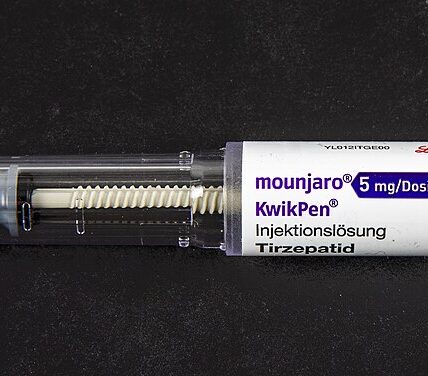
Coming soon to a drugstore near you: A section of supplements and treatments for the side effects of taking GLP-1 drugs such as Ozempic, Wegovy, Mounjaro, and Zepbound.
People have seen for themselves the results of taking these drugs on the appearance of celebrities. The hollowed-out cheeks are referred to as “Ozempic face.” The weight loss can reduce muscle mass. Many of the supplements on offer for people who take GLP-1 drugs are designed to reduce the nausea the drugs cause.
Amazon even offers a book called Managing GLP-1 Side Effects: A Practical Guide to Nausea, Constipation, Appetite Changes, and Early Treatment Symptoms, written by Sylvalene Alozie, a family nurse practitioner. Alozie cites “nausea, constipation, fatigue, and loss of appetite” as side effects.
The psychological side effects of taking GLP-1 drugs are starting to manifest after decades of treating type 2 diabetes with the drugs. In 2024, TODAY reported on the phenomenon dubbed “Ozempic personality” in a segment by Vicky Nguyen.
Nguyen uses first-person TikTok testimonials to make the case that GLP-1 drugs are causing personality changes, and not for the better. Users of Ozempic and Mounjaro report feeling greater anxiety, fatigue, and depression.
Nguyen calls on Dr. Kavita Patel, a paid correspondent who lacks any psychiatric credentials, who says, “There has not been any link directly with the drug and any known personality disorder or any known psychiatric condition.” She cites a Food and Drug Administration (FDA) study published in 2024 that “has not found evidence that use of these medicines causes suicidal thoughts or actions.”
The FDA study is rather curious. It was launched as a result of 175 adverse event reports where patients attributed suicidal thoughts to their use of GLP-1 drugs. Did the FDA demand suicidal ideation warning language on GLP-1 packaging? Quite the opposite: The FDA has asked GLP-1 drug manufacturers to remove any mention of suicidal ideation in their package warnings.
Did the FDA investigate those 175 adverse event reports? Not really. In the study, they write:
Because the information provided was often limited and because these events can be influenced by other potential factors, we determined that the information in these reports did not demonstrate a clear relationship with the use of GLP-1 RAs.
In other words, they did not determine that the suicidal thoughts were due to other factors; they decided not to investigate due to the limited information provided and made the ad hoc conclusion that there is no demonstrable connection. That is not science. That is a refusal to commit to science.
The FDA study recommends that “health care professionals should monitor for and advise patients using GLP-1 RAs to report new or worsening depression, suicidal thoughts, or any unusual changes in mood or behavior.” Why would healthcare professionals need to do that if there’s no connection between the drugs and mood disorders?
Let’s look at a few sources that are doing real science concerning the psychological impacts of taking GLP-1 drugs.
“GLP-1RAs sit at the intersection of medical innovation and psychological risk,” write researchers in a review of GLP-1 drug side effects published in the journal, Nutrients. They found that, in general, “perceived improvements in mood and self-esteem following GLP-1RA treatment.” As we have reported, people taking GLP-1 drugs tend to feel thrilled with their weight loss and new appearance.
The average result, however, is not the only result, and the same researchers found “diverging outcomes,” with the majority feeling happy and a minority reporting “negative effects on mood.”
Concerning suicidal thoughts, the researchers report with confidence that “To date, regulatory reviews have not confirmed a causal link between GLP-1RA use and suicidality, but ongoing clinical monitoring and further research are still warranted.” What “regulatory reviews” are they referring to? Yes, the FDA study cited above, based on the refusal to investigate claims of suicidal thoughts.
The FDA encourages people experiencing suicidal thoughts, whether or not related to the use of a GLP-1 drug, to contact the 988 Lifeline and report any incidents so they can be ignored for a future study. The researchers, however, request a more rigorous approach to collecting data about the psychological impacts of taking GLP-1 drugs:
Building on the emerging evidence, it is critical to translate research findings into clinical practice and consider how psychological effects of GLP-1RA use can be assessed, monitored, and managed. While these agents offer metabolic and behavioural benefits, their influence on mood, eating behaviours, identity, and stigma means that careful psychological oversight must be embedded in treatment pathways.
A large study in the journal European Psychiatry published less than a year ago analyzed 275,718 adverse event reports and found “no increased risk of emotional and behavioral disorders” for GLP-1 drug users. However, once again, the negative effects on mood may be masked by positive impacts:
Weight loss partially mediated the causal effects of GLP-1 RAs on depression and emotional lability.
So they did find a correlation between GLP-1 drug usage and “depression and emotional lability,” but it was outweighed by the euphoria resulting from weight loss.
Another scientific journal, European Neuropsychopharmacology, recently published this summary of the connection between taking GLP-1 drugs and suicidal thoughts and behaviours (STB):
While GLP-1 agonists can contribute to substantial health improvements, they also introduce biological and psychological stressors. Disruptions in homeostasis from quick weight reduction can elevate cortisol and norepinephrine levels, heightening the risk for, or exacerbation of STB.
It appears we are coming closer to a pharmacological analysis of the impact of taking GLP-1 drugs on mood disorders. The drugs appear to decrease people’s interest in just about anything, but those impacts are masked by a more positive body image. Clearly, more real research needs to be done to monitor and analyze adverse event reports.
Written by Steve O’Keefe. First published November 23, 2026.
Sources:
“What is ‘Ozempic personality’? Users report changes in mood,” TODAY, April 30, 2024.
“Update on FDA’s ongoing evaluation of reports of suicidal thoughts or actions in patients taking a certain type of medicines approved for type 2 diabetes and obesity,” U.S. Food and Drug Administration, January 11, 2024.
“Investigating the association between GLP-1 receptor agonists and mood disorders: A study integrating real-world data and Mendelian randomization,” European Psychiatry, December 3, 2025.
Image Copyright: deagreez.