
Long-Term Impacts of Using GLP-1 Drugs
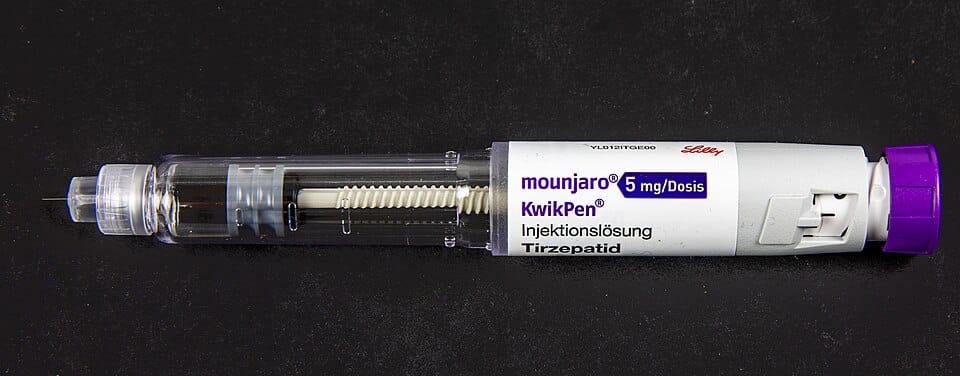
GLP-1 receptor agonist drugs have been prescribed for type 2 diabetes for more than two decades now. How’s that working? We’re going to look at several studies that assess the long-term effectiveness of GLP-1 drugs for weight loss.
First up is a review article from the Cureus Journal of Medical Science on the long-term impacts of GLP-1 drugs. The researchers found 724 studies and managed to narrow that down for various reasons to just six. That’s right, only six studies met the criteria for inclusion in this review.
The studies are high quality and make up in punch what they lack in numbers. They are all randomized, controlled trials with humans, not animals, and sample sizes in the thousands, with followup for at least two years.
Here are some of the findings:
- GLP-1 drugs “offer sustained efficacy in weight management, with consistent improvements in glycemic control among patients with obesity or overweight.”
- “Adolescents receiving exenatide showed improved weight maintenance, with lower leptin responses predicting better outcomes.”
- Nausea, vomiting, and diarrhea were the main adverse side effects, particularly in the first weeks of use.
- “No new long-term safety signals emerge”
The review contains this intriguing sentence: “Liraglutide showed added behavioral effects when combined with lifestyle interventions.” I’m curious what the “behavioral effects” were and what sort of “lifestyle intervention” was used, but the review contains no further details.
It does contain this rather disappointing assessment of traditional weight loss programs: “[T]raditional interventions such as low-calorie diets or behavioral counseling often result in ≥30% weight regain within one year.” According to this study, the GLP-1 drugs keep the weight off as long as people continue to use them. They conclude:
Clinically, this reinforces the need to reframe obesity as a chronic, relapsing condition that demands sustained pharmacological intervention in the same manner as hypertension or hyperlipidemia, rather than as a condition treatable with short-term or lifestyle-only solutions.
The journal, Surgical Endoscopy, recently published a meta analysis on the long-term effects of GLP-1 medications. Their analysis involved 54 studies including nearly 60,000 patients. Some findings:
- Patients lost an average of 10.6% of body weight compared with 3.9% for a placebo.
- Type 2 diabetes was reduced seven-fold compared to the placebo.
- Hypertension reduction was 23% for the GLP-1 patients compared with 11% for a placebo.
- Upon discontinuation, weight regain started almost immediately and continued at a pace of .5% of total body weight per month.
These researchers insert in their concluding remarks this interesting statement: “Medication adherence is critical for efficacy, and non-compliance dramatically reduces the impact of these therapies.” There is no discussion about the reasons for non-compliance. It’s possible that a digital intervention could sharply increase compliance rates. That possibility is not discussed.
From the journal Diabetes, Metabolic Syndrome and Obesity comes a systematic review and network meta analysis of the “long-term efficacy trajectories” of GLP-1 drugs. This time, 55 clinical trials were included, representing almost 19,000 patients. Findings include:
- As with the previous meta-analysis, peak weekly weight loss occurred from weeks 12-18.
- Maximum weight loss was achieved between weeks 24 and 30, after which weight plateaued.
- GLP-1 drugs “were associated with a greater risk of hypoglycemia and gastrointestinal adverse events.”
As far as tolerability goes, seven patients reported cases of pancreatitis, not significantly higher than the number of cases reported for patients taking placebos. However, gastrointestinal distress was substantially higher among the GLP-1 patients and included diarrhea, nausea, and vomiting. Discontinuation rates were not provided, although researchers said the effects do not get worse over time, “indicating possible tolerance development.”
The new wrinkle in this meta-analysis is that weight loss plateaus after two years and in some cases reverses, even while on a maintenance dosage of a GLP-1 drug. The authors suggest “timely initiation of adjunct therapies when glycemic control plateaus or rebounds.” The “adjunct therapies” are not described, but could well include a digital intervention.
And that brings us to one final article from the journal, Frontiers in Endocrinology, that provides an expert panel’s recommendations for long-term treatment with GLP-1 drugs. A panel of 15 clinicians with expertise in obesity and metabolic diseases was assembled by Italian endocrinologist and diabetologist Dr. Davide Brancato from the University of Palermo.
The group refined their recommendations over the course of three virtual meetings. Their first finding was the need for strong “baseline phenotyping” before prescribing GLP-1 drugs. The panel said more information is needed beyond weight, waist circumference, weight-to-height ratio, and body mass index (BMI).
They suggest:
In addition to physical metrics, baseline phenotyping must account for behavioral and psychological drivers of weight gain. Identifying eating patterns (e.g., emotional eating, binge eating, or night eating syndrome) at the outset allows for a more tailored pharmacological and behavioral approach.
This information can be used, for example, “to justify the continuation of treatment when weight loss reaches a plateau,” which usually happens around year two, according to the previous meta-analysis. “By identifying these motivations, clinicians can define clinically meaningful therapeutic targets that extend beyond weight reduction alone,” the panel concluded.
The experts have spoken. GLP-1 drugs are effective for achieving significant weight loss and keeping the weight off. When the weight loss plateaus, however, or reverses, often after year two, behavioral therapies and lifestyle changes can help keep the weight from coming back. For those who want to get off GLP-1 drugs for financial reasons or due to gastrointestinal distress, switching to behavioral therapy prior to terminating medication can reduce weight gain.
Written by Steve O’Keefe. First published October 26, 2026.
Sources:
“Weight Loss That Lasts: Reviewing the Long-Term Impact of GLP-1 Receptor Agonists,” Cureus Journal of Medical Science, July 19, 2025.
“Analysis of the long-term impact of glucagon-like peptide-1 (GLP-1) receptor agonists for control of obesity and obesity-related comorbidities: a meta-analysis,” Surgical Endoscopy, September 30, 2025.
“Long-Term Efficacy Trajectories of GLP-1 Receptor Agonists: A Systematic Review and Network Meta-Analysis,” Diabetes, Metabolic Syndrome and Obesity, September 23, 2025.
“Long-term GLP-1 receptor agonist therapy in obesity: expert panel recommendations for good clinical practice,” Frontiers in Endocrinology, September 27, 2026.
Image Copyright: Raimond Spekking, used under Creative Commons license.