The Problem With Problem Gambling Organizations

Every month in the United States, as many as 180,000 people look for gambling addiction help online. Online searches peak in February each year, as people caught up in Super Bowl fever realize they need to do something about their problem. And March is Problem Gambling Awareness Month. Where do they turn for help?
There’s one organization that is trying very hard to make sure they’re who problem gamblers turn to first, and that is the National Council on Problem Gambling (NCPG). The nonprofit organization recently rebranded its 1-800-522-4700 National Helpline as 1-800-MY-RESET, the National Problem Gambling Helpline. Trademarked.
It looks to me like the NCPG is working hard to hoover up all the internet traffic and helpline traffic from people first experiencing problems with problem gambling. They recently issued a resolution calling on prediction markets to promote 1-800-MY-RESET and the NCPG as “the only national nonprofit organization that seeks to minimize the economic and social costs associated with gambling addiction.”
You might think that the easiest way to minimize the economic and social costs associated with gambling addiction is to ban gambling. You would be wrong, according to the NCPG. They are careful to always pair their self-praiseworthy tagline with this one: “NCPG is neutral on legalized gambling.”
Say what? You are neutral about the thing that is obviously driving a surge in gambling addiction in the United States? Let’s take a look at the recent history of sports gambling in the U.S., starting with the Supreme Court decision, Murphy vs. NCAA, that struck down state restrictions on sports gambling.
A study released in JAMA Internal Medicine shows what has happened since Murphy vs. NCAA:
The number of states with operational sportsbooks increased from 1 during 2017 to 38 during 2024. Total sports wagers increased from $4.9 billion during 2017 to $121.1 billion during 2023, with 94% of wagers during 2023 being placed online.
The explosive growth in sports gambling is shown in Figure 1. Figure 1A shows the number of states allowing sports gambling, and Figure 1B shows the total amount wagered.
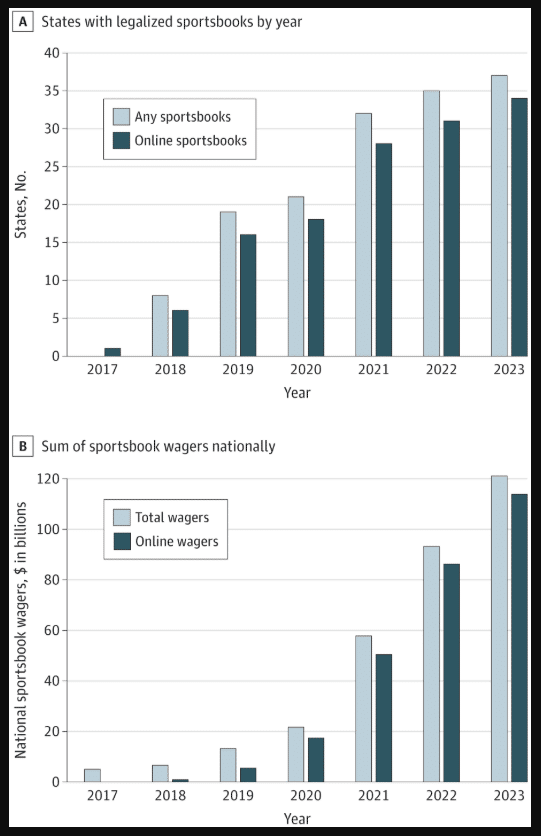
Figure 1: Image courtesy of John W. Ayers of UC San Diego.
Research led by a team from the University of California San Diego School of Medicine partnered with Google to analyze traffic trends. They compared search patterns when retail sports betting was introduced to when online sports betting was introduced. They found that:
When online sportsbooks became available, searches surged 61% — a significantly greater and more sustained increase that persisted for years.
We have reported for years about the tsunami of gambling addiction sweeping over the U.S., and the heavy bite it is taking out of the wages of working families. And the predatory methods used by gambling syndicates to bankrupt their best customers. So who do you turn to for help?
Then look at who is funding the National Council on Problem Gambling (NCPG), operators of the National Problem Gambling Helpline:
- FanDuel
- DraftKings
- NFL Foundation
- Ceasars Entertainment
- Mohegan
- Bally’s
- Major League Baseball
- PGA Tour
You’ll pardon the expression, but that’s a murderer’s row of corporate sponsors. It’s like going to an Alcoholics Anonymous meeting sponsored by Budweiser and Jack Daniels, or getting advice on responsible OxyContin use from Richard Sackler.
It appears the NCPG is attempting to muscle out all other providers of advice for problem gamblers and replace them with their “responsible gambling standards” and their “neutral on legalized gambling” tagline. We aren’t the only ones who’ve noticed the mixed message.
Faith-based groups have previously provided treatment for gambling addiction, particularly by providing spaces for Gamblers Anonymous and similar support group meetings. Gamblers Anonymous uses a 12-step program, and not one of the steps is “gamble responsibly.”
The Center for Christian Virtue recently published a critique of attending the annual conference of the Problem Gambling Network of Ohio, only to find it had been taken over by “premier sponsors” DraftKings and FanDuel and “gold sponsors” MGMBet, Caesars Entertainment, and the Hard Rock Casino, among others. Aaron Baer, President of the Center for Christian Virtue, said, “There is a fundamental conflict of interest when the State and the gambling industry team up.”
The publication continued:
[T]he gambling industry’s business model depends on people not gambling responsibly. High-volume, high-frequency players (the ones most at risk for addiction) are the primary profit drivers for casinos and sportsbooks.
On February 11, Baer tweeted out a picture of the show banners honoring gambling syndicates at the Ohio Problem Gambling Conference and said, “This is what corruption looks like.” Saagar Enjeti, host of the podcast BreakingPoints, recently made the point that organized gambling is 25% of the entire growth of the U.S. economy in the past five years (and A.I. spending — another big gamble — is the other 75%).
The gambling syndicates and prediction markets have grown so large, so fast, that they have been able to infect the stock market, the entertainment industry, the professional sports leagues, the colleges and universities, and even the military, which is able to wager on and profit from insider knowledge of military atrocities.
Now the gambling syndicates and prediction markets have taken over gambling recovery in America, and they describe the problem in a way that does not blame them or their practices for what by now must surely be the fastest-growing disease in America: gambling addiction.
Written by Steve O’Keefe. First published February 23, 2026.
Sources:
“Growing Health Concern Regarding Gambling Addiction in the Age of Sportsbooks,” JAMA Internal Medicine, February 17, 2025.
“Study Reveals Surge in Gambling Addiction Following Legalization of Sports Betting,” UC San Diego Today, February 17, 2025.
“Ohio’s Problem Gambling Conference WAS SPONSORED BY THE PROBLEM,” The Center for Christian Virtue, February 12, 2026.
Image Copyright: kritchanut.