The Origins of Obesity
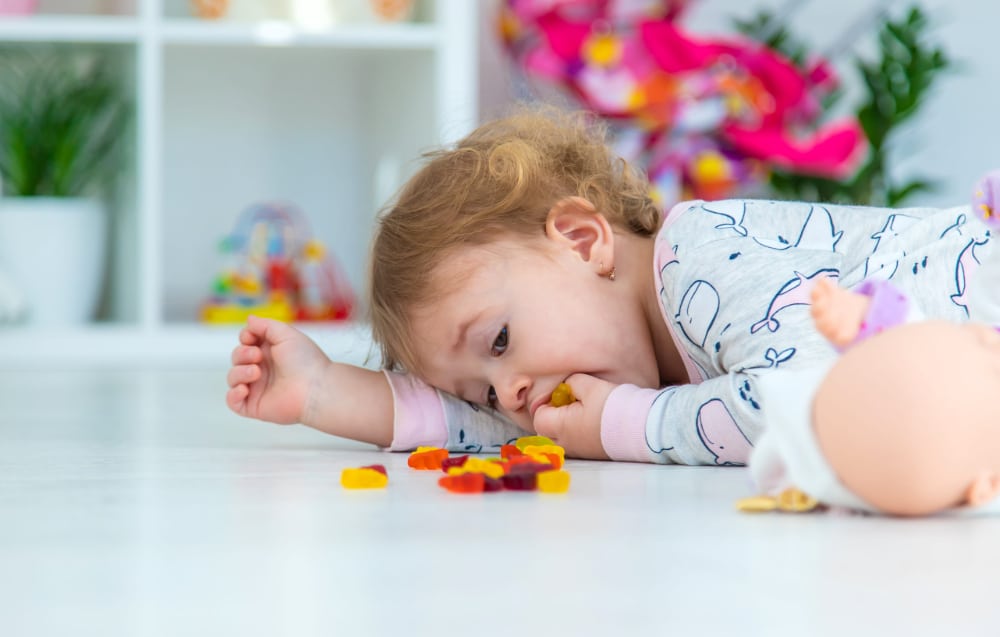
What causes obesity? The most common answer is that there is no one thing that causes obesity; it’s the result of multiple factors.
In a simplistic way, one could say obesity is caused by animals consuming more calories than they use. Why are they consuming more food than they need to function? Again, the most common answer is that multiple factors are involved.
In a recent post on Childhood Obesity News, Tatyana Meshcheryakova gives the consensus opinion on what causes overeating:
Today, obesity is recognized as a complex chronic disease influenced by genetics, biology, hormones, environmental factors, and lifestyle — not a lack of willpower.
It is pretty obvious that it is not the ingredients in food that cause overeating, and it’s not the ingredients in alcohol or cannabis or fentanyl that cause overconsumption. The vast majority of people using these substances have no problems with addiction at all.
Roughly half of the tendency toward obesity has been attributed to genetics. Heritability for weight gain doubles when parents have severe obesity. This is one statistic that indicates obesity cannot be blamed on a lack of willpower or a shortage of moral fortitude; in most cases it is hardwired from birth.
Yet blaming the victim is precisely what happens when insurance companies refuse to pay for obesity treatments in the same manner they would any other genetically passed-on problem. They treat obesity as a lifestyle choice, not a soul-crushing disease. And there is ample evidence that early intervention works to slow obesity rates.
A shocking 20% of children in the U.S. between the ages of 2 and 5 are obese. Researchers from the department of pediatrics at Penn State College of Medicine conducted a pilot study to test interventions to reduce obesity in infancy.
The study involved 110 mother/child pairings recruited out of the maternity ward. One quarter of the mothers received no interventions, one quarter received two interventions, one quarter received one intervention, and one quarter received the other intervention.
The two interventions used were:
Soothe/Sleep: Distinguishing between hunger-related distress and other causes of infant distress; minimizing feeding for non-hunger-related fussiness; increasing sleep duration. Administered with a home nurse visit 2 or 3 weeks after birth.
Introducing Solid Foods: understanding infant hunger cues; overcoming rejection of healthy foods; timing solid food introduction. Administered with a home nurse visit within two weeks of introducing solid foods (usually 4 to 6 months of age).
The goal of the study was to reduce weight-to-length at year one. The control group came in with babies weighing right at the 50th percentile. Interestingly, so did the babies who only received the Soothe/Sleep intervention. Therefore, no measurable difference.
The babies who only received the Introducing Solid Foods fared worse than the control, with weight-to-length at the 55th percentile. However, babies who had both interventions dropped to just the 33rd percentile, representing a 17-point decline from the control group.
What the study illustrated more than anything is that lifestyle interventions in the first year work. This is an indication that it is not the appetites of babies that are causing them to gain weight but the attitudes of the parents who use feeding as a way to soothe babies who are not hungry. The researchers explain:
The goal of the intervention was to help both parents and infants learn to discriminate hunger from other distress causes (fear, anger, boredom, and other discomfort, including wet diapers) and not to use feeding for non-hunger-related fussiness.
Here we see how the use of food and mind-altering substances to displace stress begins early in life, with babies taught to soothe their pain by consuming. The Penn State intervention taught “alternative soothing techniques” for the non-hungry infant, as well as methods for self-soothing and returning to sleep without being fed.
Simple techniques such as changing a wet diaper before feeding a baby can reduce the amount of food babies consume and how long they sleep. The solid foods training has simple rules such as not feeding an infant with anything but milk or formula through a baby bottle. Parents were also instructed not to feed their children when they are crying or fussy, only when they are calm and alert.
What we have seen by this examination of obesity in infancy is that it can be significantly reduced through early intervention. These interventions all involve not using food to displace stress. How much clearer can it be that the controllable portion of obesity is the result of responding to stress by eating? That is displacement.
Written by Steve O’Keefe. First published July 24, 2026.
Sources:
“Genetics of Obesity: What We Have Learned Over Decades of Research,” Obesity, May 29, 2021.
“Preventing Obesity during Infancy: A Pilot Study,” Obesity, September 6, 2012.
Image Copyright: yanadjana.