The Heart of Utah
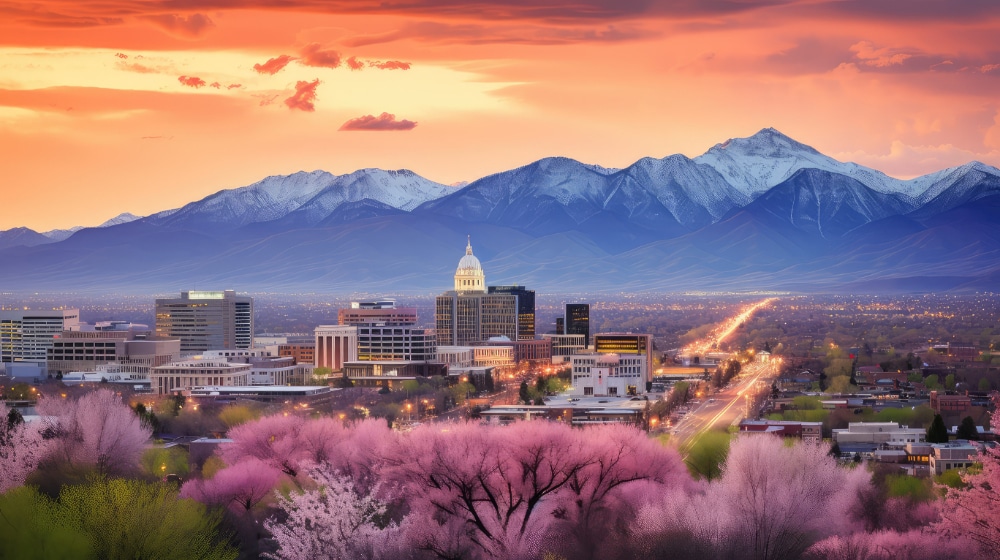
Salt Lake City, Utah, is well known as the home of the Church of the Latter-day Saints, also called the Mormon Church. Probably due to the influence of the church, the state of Utah is known for forward-thinking generosity toward the addicted and the homeless.
For this reason, many homeless persons have found their way to Salt Lake City. In a feature for The Times of London, Pastor Shawn Clay, who runs a mission serving men in recovery in Salt Lake City, says, “Other cities saw the heart of Utah is so great that they sent their homeless here.”
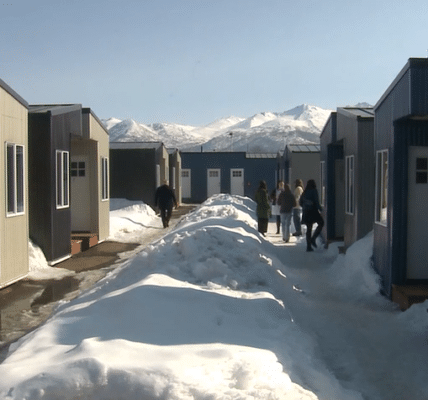
But the heart of Utah has grown cold lately, with plans to increase involuntary confinement and treatment of “mentally ill” homeless persons. This disastrous policy of civil commitment for the chronically homeless is taking physical shape at a 16-acre facility on the northern edge of Salt Lake City.
The “services campus” will open with 300-400 residential living units, where eventually “up to 1,300 homeless people could receive involuntary treatment for mental illness and addiction,” according to The Times.
In 2024, 16,440 people received publicly-funded substance use disorder treatment in Utah. The three primary drugs treated were opioids, methamphetamine, and alcohol. Utah has one of the nation’s lowest overdose death rates, with 509 overdose deaths in 2024. Seventy percent of those overdose deaths were caused by opioids.
As of September 2025, the state of Utah had 1,461 individuals under civil commitment, according to State Representative Steve Eliason. More than 1,000 of those individuals are living on the streets, Eliason notes. So 300 or 400 beds are not a solution to the homelessness problem.
While the operations of the facility will be largely funded by Medicaid and Medicare, it’s not clear who will fund the construction costs. Maintenance costs estimated at $30 million a year will likely fall on the state. Eliason notes:
[I]f you look at the history of recent construction of psychiatric facilities in the state […] inpatient beds are running about a million dollars a bed, just to be built to the standards that the federal government has required.
As we have noted on AddictionNews previously, incarceration is the most expensive, least effective way of dealing with drug addiction or homelessness. Utah’s homeless population has grown dramatically, with an 18% increase in 2024 to approximately 4,600 homeless in January 2025. This is almost entirely due to the rising cost of housing.
Utah state planners pushing the “services campus” want residents to be compelled to work as well as get addiction treatment. Roughly half the homeless are disabled, and the other half are employed at least 20 hours per week. Involuntary incarceration will remove the working homeless from the workforce, making it harder for them upon release to find employment and housing.
The Times points out that all the services to be offered at the new remote campus used to be offered downtown by Catholic Community Services, including a homeless shelter, food pantry, addiction treatment, and job training. However, as the neighborhood gentrified and real estate became more valuable, residents got tired of people camping in the area.
“In the past year,” writes The Times, “police started carrying out daily drive-bys, according to local businesses, emboldened by a Supreme Court ruling that allowed states to ban homeless camping.”
Jennifer Mathis, of the Bazelon Centre for Mental Health Law, told The Times that “not only is court-ordered civil commitment the most expensive, least effective way of treating people, it is also unlawful to use it if there are alternatives.” Many states, including Utah, have found less expensive, more effective ways to combat homelessness and drug addiction.
Utah used to be the frontrunner in the “housing first” movement that swept the country and eventually the whole world as a “best practice” for dealing with homelessness and drug addiction. Without the stability of a housing arrangement, it is difficult to find employment or stay in treatment.
The Utah Homeless Services Board was a pioneer in this effort. They established the Utah Model Framework for dealing with homelessness that has become a template for many other states. Rather than financing real-estate developer plans for ending homelessness and drug addiction, Utah should put that money into expanding its award-winning programs in the heart of Salt Lake City, where the people being served already live and work.
Written by Steve O’Keefe. First published December 29, 2025.
Sources:
“Utah’s Trumpian homeless ‘campus’ — lifeline or detention camp?” The Times, December 20, 2025.
“USU UWLP Releases Research on Utah Women and Substance Use Disorders,” Utah State University, November 06, 2025.
“Utah’s new homeless campus should have 300-plus beds for civil commitment, board chair says,” Utah News Dispatch, September 18, 2025.
Image Copyright: pikepicture.