Hard Drug Decriminalization Ends in British Columbia
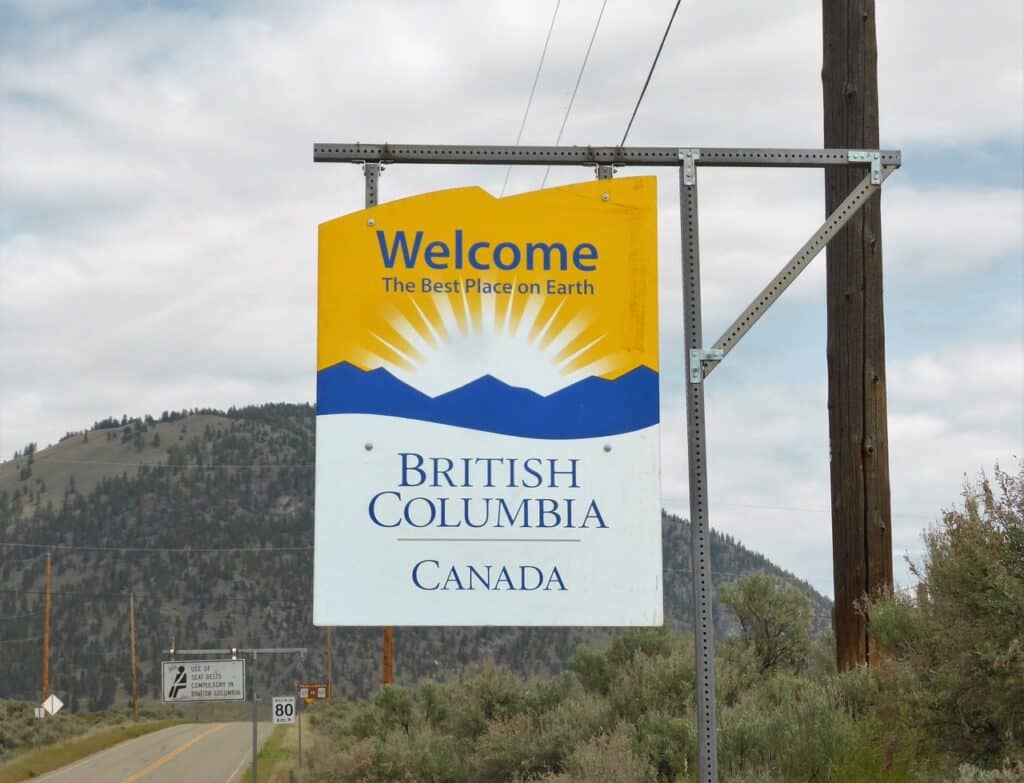
The Canadian province of British Columbia just terminated a short-lived experiment with decriminalizing the possession of small amounts of hard drugs, including cocaine, methamphetamine, opioids, and MDMA. The program did not involve marijuana, THC, or cannabis, which were legalized throughout Canada in 2018.
In January 2023, the province received an exemption from Health Canada on enforcing the Controlled Drugs and Substances Act for amounts of hard drugs less than 2.5 grams.
The theory at the time, according to CBC News, was that “decriminalizing drug use removes the associated stigma, treats the crisis as a health issue rather than a criminal one, and makes it more likely for people to seek help.”
After a three-year trial, Josie Osborne, British Columbia’s Health Minister, announced on January 14 that the program would end on January 30. Osborne told reporters that decriminalization of hard drugs “has not delivered the results we had hoped for.”
Numerous press reports covering the termination of the exemption fail to cite any statistics regarding the decision. Anecdotal evidence is presented that the lenient policy resulted in an increase in public substance use and intoxication. However, the lack of data supports the theory in the Rocky Mount Outlook that “the decision to end it was made in the cabinet office, amid public pressure, rather than with input from health officials.”
The Rocky Mountain Outlook dug out some of the facts, which seem to indicate the program was working. After reaching a high of 2,589 overdose deaths in 2023, the numbers began to decline, dropping 10% in 2024 and an additional 20% in 2025.
DJ Larking, the executive director of the Canadian Drug Policy Coalition at Simon Fraser University, told the Rocky Mountain Outlook that the decision to end the exemption is not “informed by (the) chief public health officer, coroner’s offices, academics, researchers, people who use drugs — not informed by the experts.”
In a blog post on the Canadian Drug Policy Coalition website, Larking said the program was achieving its goals:
- decreased overdose deaths
- decreased offences and seizures
- improved access to health and social services
- increased use of health and social services
- no increase in substance use disorders
Kora DeBeck, a Public Health Chair in the School of Public Policy at Simon Fraser University, told CBC News she felt the announcement was “a move away from an evidence-informed policy.” The program was “never really fully implemented,” said Cheryl Forchuk, professor in the School of Nursing at Western University, Canada. She told Barron’s, “We are kidding ourselves if we think that is going to make a big difference in terms of the deaths and what we’re seeing in terms of street disorder.”
Vancouver’s Chief of Police, Steven Rai, told Barron’s that decriminalization “was not matched with sufficient investments in prevention, drug education, access to treatment, or support for appropriate enforcement.”
There is no indication that eliminating the exemption will come with any increased care for those who will now be arrested for using hard drugs. An evidence-based estimate is that the change will result in increased public expenditures as a result of hard drug addiction, along with decreased participation in addiction treatment. British Columbia’s uninformed shift, however, is still shy of the worst possible approach for treating drug addiction.
Written by Steve O’Keefe. First published February 11, 2026.
Sources:
“B.C. won’t extend its drug decriminalization project, health minister announces,” CBC News, January 14, 2026.
“‘It Wasn’t Working’: Canada Province Ends Drug Decriminalization,” Barron’s, January 31, 2026.
“B.C. to end drug decriminalization project, after ‘challenging’ three-year-experiment,” Rocky Mountain Outlook, January 15, 2026.
“Ignoring Its Own Data, B.C. Revives Criminalization,” Canadian Drug Policy Coalition, January 15, 2026.
Image courtesy of Tourism Border British Columbia Free Photo, used under Creative Commons license.