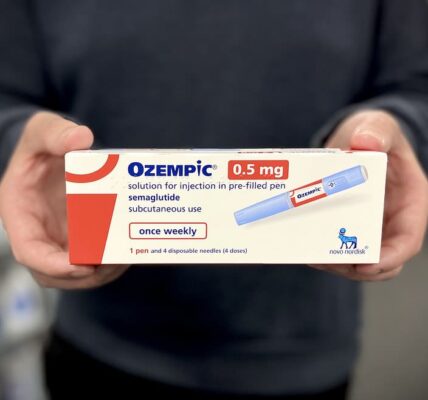
GLP-1 Drugs for Addiction: Pros and Cons

In the 20 years since the approval of exenatide, a GLP-1 receptor agonist, for the treatment of type 2 diabetes, anecdotal evidence has mounted that GLP-1 drugs curb the cravings for binge eating, binge drinking, and other binge behaviors including shopping, gambling, and opioid use.
In a recent segment for PBS NewsHour, correspondent William Brangham attempted to assess the evidence for the effectiveness of GLP-1 drugs such as Ozempic, Mounjaro, Wegovy, and Zepbound, against substance use disorders (SUDs). He consulted with Dr. Steven Klein, an addiction recovery specialist at the Caron Center in Philadelphia.
Dr. Klein has prescribed GLP-1 off-label to his addiction clients for years, and the results have been nothing short of remarkable. Patients report that it instantly quieted the cravings for drugs, food, and alcohol.
Patients in recovery often gain weight, in part because they rechannel their SUDs to food. The GLP-1 drugs tend to prevent the weight gain that comes with abstinence. Prescribe GLP-1s for weight loss, and you get addiction treatment for free. Prescribe GLP-1 drugs for addiction, and you get the weight loss for free.
Not so fast, says Mad In America (MIA), a journal of science, psychiatry, and social justice. In an MIA Report on the marketing of GLP-1 drugs for addiction, science writer and pharmacist Chinedu Akpa takes a long look at the studies on GLP-1 drugs and SUDs.
“Addiction is more than a biological process,” Akpa writes. “It also has psychological and social dimensions. People may use substances or engage in compulsive behaviors to cope with trauma, loneliness, shame, anxiety, stress, or difficult environments.” He cites, for example, the study by Lee Robbins that showed that Vietnam veterans were successful in quitting heroin addiction once they were removed from the field of action.
Recovery takes more than just a pill. According to Akpa, it also involves “developing new coping mechanisms, rebuilding relationships, changing one’s environment, and learning to live without the behavior that once served a psychological function.”
Are GLP-1 drugs merely suppressing urges rather than treating addiction? And if GLP-1 drugs are urge suppressors, what happens to the urges to succeed, to get ahead, to challenge yourself, to find a mate? Are motivation and pleasure destroyed along with cravings?
Akpa interviews Dr. Lauren Grawert, an addiction specialist with The Retreat of Boston, a substance abuse detox facility. Dr. Grawert ticks off a list of things GLP-1 drugs don’t help with:
- attending therapy sessions
- adhering to a medication regimen
- avoiding risky behaviors
- mending damaged relationships
- practicing coping mechanisms
“Recovery requires repeated acts of commitment and accountability,” Dr. Grawert notes.
Akpa reviews yet another addiction specialist, Dr. Wildaliz Caro, who works with The Healing Center in Cherry Hill, New Jersey. Dr. Caro told Akpa, “The primary purpose of most addictions is to serve a psychological function.”
“Reducing the desire to consume a particular substance doesn’t mean removing the need that was being met by consuming that substance,” Dr. Caro explained. “Treatment must also address what people do with the emotions, thoughts, and circumstances that have contributed to their addictive behaviors.”
Dr. Caro is concerned that GLP-1 drugs don’t address the psychological, emotional, and environmental factors driving substance abuse. Recovery is a process that can involve “psychotherapy, behavioral change, social support, accountability, relationships, and changes in environment,” writes Akpa. Not just a pill.
Using GLP-1 drugs for addiction treatment also diminishes the need to receive psychiatric care to deal with the emotions driving substance abuse. If the answer is to take a pill to damp down the symptoms rather than to do something about the stress that is triggering the need to indulge, GLP-1 drugs could be like putting a Band-Aid on a wound that never heals.
Written by Steve O’Keefe. First published October 16, 2026.
Sources:
“The evidence suggesting GLP-1s can curb drug and alcohol cravings,” PBS NewsHour, October 7, 2026.
“Marketing GLP-1 Drugs for Addiction: Why Critics Are Skeptical,” Mad In America, October 10, 2026.
Image Copyright: elnur.