Improving Natural Disasters Response to Assist Addiction Recovery
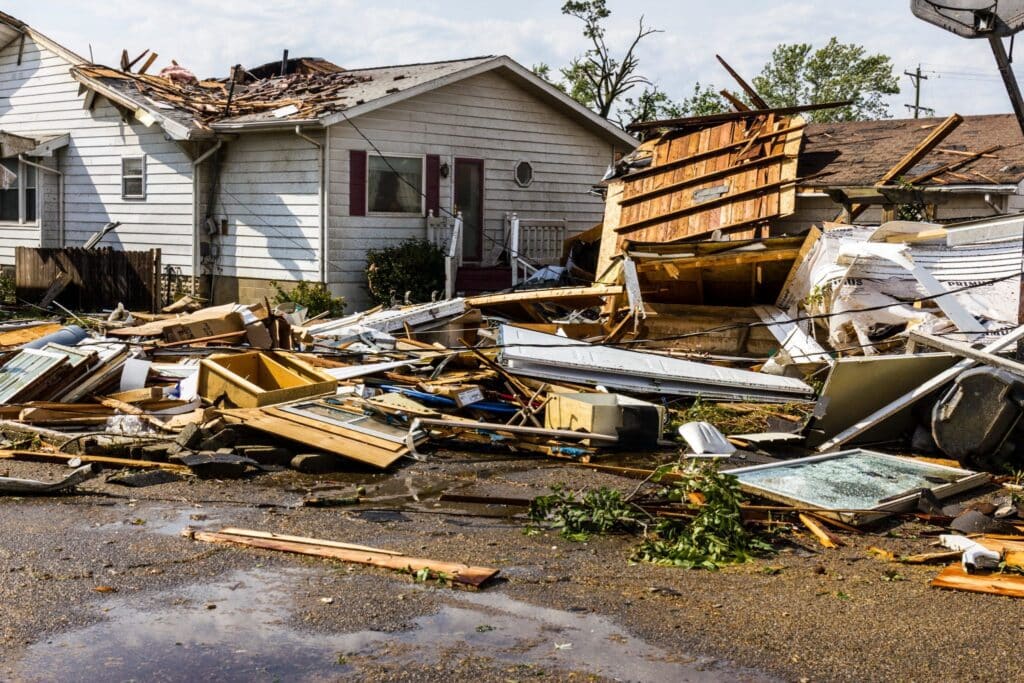
Scientists agree that natural disasters — floods, droughts, wildfires, extreme heat — are worsened by climate change and increasing in number, severity, and duration. These events hurt everyone. Yet, the ramifications are most injurious for the most vulnerable in our population. Often, this includes people with addictions.
Recently, four doctors wrote an editorial, “Disaster Within a Disaster: Ensuring Access to Opioid Use Disorder Treatment During Natural Crises,” about opioid use disorder treatment challenges during severe weather disasters. They propose a collection of federal, state, and local community recommendations to ensure that medications like buprenorphine, a prescription drug that eases opioid cravings, reach people during and after emergencies. Among the recommendations:
- Federal: Codify emergency exemptions and flexibility.
- State: Stock disaster kits with addiction-related medications.
- Local: Create and strengthen community outreach networks before disaster strikes.
Together, these strategies could help people during emergencies like Hurricane Helene, which hit North Carolina in 2024. Helene washed out roads and downed communication between patients, doctors, and pharmacies. Access to critical medications such as insulin and buprenorphine was difficult to impossible, the latter placing recovering opioid users dependent on recovery medications in an especially precarious place. The risk of relapse rose immediately after the storm.
Hurricane Helene isn’t an isolated example. In fact, the pattern is common. NPR reports:
One study estimated that after Superstorm Sandy in 2012, 70% of New Yorkers who relied on recovery medications couldn’t get enough of them. In the two years following Hurricane Maria’s devastation in Puerto Rico in 2017, overdose reports increased, another study found. The Tubbs and Camp fires in Northern California caused substantial disruptions in patients’ access to opioid addiction medications, a study published in 2022 found.
A Natural Disaster’s Stress Raises Risk of Addiction
Natural disasters impart trauma and emotional distress. Add social isolation and economic hardship, and the circumstances can push healthy people toward stress displacement activities. Any substance or activity that changes your brain’s ability to deal with stressful situations can lead to abuse. Stressful times increase the risk that someone may develop an addiction — or relapse.
Wipe out access to recovery medication — as Hurricane Helene did with opioid treatment — and people experiencing addiction can experience recovery setbacks that can last much longer than the storm’s initial damage and crisis. Given the increasing number of extreme weather events, society must examine the physical and human infrastructure we can shore up in advance.
As others describe the situation in the Journal of Addictive Diseases:
Prevention and intervention strategies to reduce the risk of SUDs during and after natural disasters are providing mental health services, strengthening social support networks, limiting access to substances, and providing education and training to healthcare providers, emergency responders, and community members.
Let’s hope the editorial author’s many suggestions are taken up by champions at the federal, state, and local levels to ensure fewer people endure additional hardships.
Written by Katie McCaskey. First published May 5, 2026.
Sources:
“Near-Future Damages by US Weather and Climate Disasters,” AGU Geophysical Research Letters, December 26, 2025.
“Disaster Within a Disaster: Ensuring Access to Opioid Use Disorder Treatment During Natural Crises,” National Library of Medicine, February 2026.
“Natural disasters can cause another crisis for those recovering from opioid addiction,” NPR, April 28, 2026.
“Immediate impact of Hurricane Sandy on people who inject drugs in New York City,” National Library of Medicine, June 1, 2016.
“Substance use, injection risk behaviors, and fentanyl-related overdose risk among a sample of PWID post-Hurricane Maria,” Harm Reduction Journal, November 24, 2022.
“The Impact of California Wildfires on Patient Access to Prescription Opioids,” National Library of Medicine, November 1, 2023.
“Substance use disorders after natural disasters: a narrative review,” Journal of Addictive Diseases, July 30, 2023.
Image Copyright: jetcityimage.