Huge Study Shows GLP-1 Drugs Prevent Substance Use Disorders
We have been following the science of GLP-1 drugs and addiction for years at AddictionNews. The first inklings came from anecdotal evidence from people prescribed GLP-1 drugs for the treatment of type 2 diabetes.
That turned into a groundswell of anecdotal evidence once GLP-1 drugs were approved to treat obesity. At the same time, trials began in earnest on the use of GLP-1 drugs to treat substance use disorders (SUDs).
Now we have the results of a large study showing that, not only can GLP-1s treat addiction, they can prevent it from happening.
The study followed 606,434 United States veterans diagnosed with type 2 diabetes for three years. They were divided into two groups: those with no previously-reported SUDs (524, 817), and those with a pre-existing SUD (81,617).
The study tested both GLP-1 receptor agonists and SGLT-2 inhibitors. SGLT-2 inhibitors include such prescription drugs as Jardiance, Farxiga, and Invokana, commonly prescribed for type 2 diabetes. GLP-1 drugs include such prescription medications as Ozempic, Wegovy, Mounjaro, and Zepbound.
Of those with no previously reported SUDs, the vast majority — 400,816 — received SGLT-2 drugs while only 124,001 received GLP-1 drugs. Roughly the same ratio was obtained for those with pre-existing SUDs: 68,849 received SGLT drugs, and 16,768 received GLP-1 drugs.
In short, the GLP-1 drugs showed better results than the SGLT-2 for both groups across a wide range of substance use disorders. Compared with the SGLT-2 group, people with type 2 diabetes taking the GLP-1 drugs reported lower rates of substance use disorders in the first three years, including:
- alcohol use – 18% lower
- cannabis use – 14% lower
- nicotine use – 20% lower
- cocaine use – 20% lower
- opioid use – 25% lower
Next comes the analysis of the impact of GLP-1 drugs vs. SGLT-2 drugs on people with type 2 diabetes who had a substance use disorder at the time of initiating the three-year trial:
- 31% fewer SUD-related emergency room visits
- 39% fewer drug overdoses
- 50% lower SUD-related mortality
The GLP-1 drugs even reduced reported suicidal ideation and suicide attempts by 25%. If you or someone you know is having suicidal thoughts, please call the National Crisis Lifeline 9-8-8 and consider looking into the use of GLP-1 drugs.
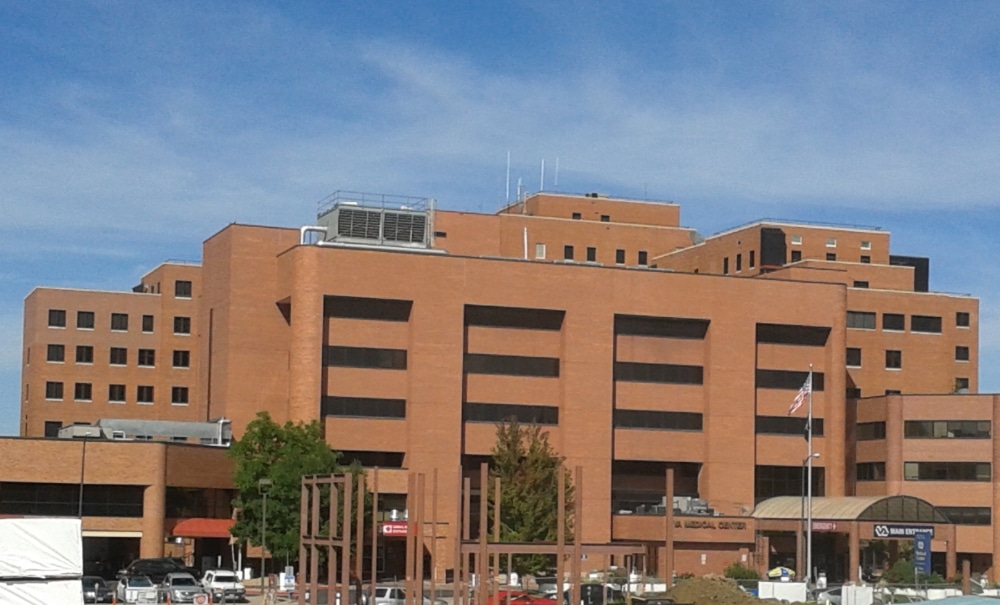
The team of researchers at Washington University and the Veterans Administration St. Louis Healthcare System proudly concluded:
Use of GLP-1 receptor agonists was consistently associated with reduced risks of developing various incident SUDs, suggesting a broad preventive effect across multiple substance types. Use was also associated with reduced risks of adverse clinical outcomes in people with pre-existing SUDs. These observational data suggest a potential role for GLP-1 receptor agonists in both the prevention and the treatment of various SUDs, warranting further evaluation.
One of the lead authors of the study, Ziyad Al-Aly, director of the Clinical Epidemiology Center and chief of research at the VA Saint Louis Health Care System, wrote a lengthy piece for The Conversation in which he describes how GLP-1 drugs work: They “dampen dopamine signaling in the brain’s core reward center, making addictive substances less rewarding.”
Dr. Al-Aly is particularly excited about what this could mean for the treatment of people with SUDs. Currently, the Substance Abuse and Mental Health Services Administration (SAMHSA) estimates there are 48.4 million Americans over the age of 12 who have a substance use disorder. However, only 10 million, or 19.3% of those with an SUD, are receiving treatment for it. Dr. Al-Aly sees the people currently treating those with type 2 diabetes or obesity as an army of trained health care providers who can make the GLP-1 jab available everywhere.
“Reductions of this magnitude are rare in addiction medicine,” writes Dr. Al-Aly, of the stunning reduction in SUD mortality. “The delivery system to reach millions of patients already exists.”
In the future, Dr. Al-Aly suggests GLP-1 drugs may reveal a commonality underlying all addictions, or what we like to call The Unified Theory of Addiction. He says:
The consistency of GLP-1 effectiveness across alcohol, opioids, cocaine, nicotine and cannabis suggests these drugs may act on a shared vulnerability underlying addiction — not on any single substance pathway. If confirmed, that would represent a fundamental shift in how society understands addiction and how doctors treat it.
That’s worth repeating: “[A] fundamental shift in how society understands addiction and how doctors treat it.” While there are many unanswered questions about the long-term effects of taking GLP-1 drugs, their use today could help people with SUDs live long enough for scientists to figure out how they work.
Written by Steve O’Keefe. First published March 17, 2026.
Sources:
“Glucagon-like peptide-1 receptor agonists and risk of substance use disorders among US veterans with type 2 diabetes: cohort study,” The BMJ, March 4, 2026.
“GLP‑1 drugs may fight addiction across every major substance, according to a study of 600,000 people,” The Conversation, March 4, 2026.
“People who took GLP-1 drugs had lower risk of all kinds of drug and alcohol addiction,” Scientific American, March 4, 2026.
“Do obesity drugs treat addiction? Huge study hints at their promise,” Nature, March 5, 2026.
Image courtesy of Wikimedia, used under Creative Commons license.