Digital Engagement Significantly Improves GLP-1 Weight Loss, Study Shows

A new study out of the United Kingdom indicates that use of a digital intervention significantly improved outcomes for people using GLP-1 drugs to lose weight.
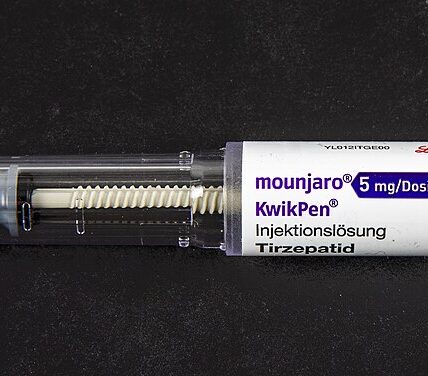
The massive study involved 126, 553 adults with a BMI greater than 30 who had been prescribed tirzepatide (Mounjaro) for weight loss. The percentage weight loss was analyzed every two months for one year. Patients who engaged with the weight loss app achieved an average 30% greater weight loss at month 12. Other findings include:
- Differences emerged by month 2 and widened steadily
- Engaged participants reached all clinically significant weight loss thresholds faster
- Engaged participants were nearly 3 times more likely to achieve ≥20% weight loss compared to nonengaged participants
The digital intervention used is called “Voy,” a digital weight loss platform designed for obesity management. The app includes the following features:
- real-time weight monitoring
- medication adherence tracking
- personalized coaching sessions
- live group video-coaching sessions
- text-based in-app support
- “dynamic educational content”
According to the researchers, “the Voy digital health platform’s weight management program integrates dual GLP-1 and GIP RA pharmacotherapies with digital behavioral support to enhance weight loss outcomes.” The partnership with GLP-1 drugs is built right into the app’s design.
Tirzepatide was self-administered with an injection, beginning with 2.5mg and increasing by 2.5mg each month up to 15 mg. Group coaching sessions were offered every two weeks and focused on motivation, goal setting, and problem-solving.
Engagement with the Voy app was based on three variables: 1. App usage and log-ins. 2. Weight tracking frequency, and 3. Attendance at individual or group coaching sessions. The study found that only 5% of the more than 100,000 patients were “maximally engaged” with the app.
Interestingly enough, those who engaged intensely with the app were slightly older, on average, than those who did not. The least digitally engaged group was the 18- 24-year-old cohort, with only 1.8% fully engaged with the app. Women engaged with the app slightly more than men, with 5.5% of females fully engaged and 5.1% of males.
The fully engaged group scored 100% on use of the app, weigh-ins, and perfect attendance at coaching sessions. The nonengaged group had some interaction with the platform, with 72.5% using the app, 15.7% attending coaching sessions, and 9% participating in weigh-ins.
The final numbers at month 12 showed the digitally engaged participants with average weight loss of 22.9% and the disengaged achieved 17.6% weight loss, for an absolute difference of 5.3%. The engaged group had, on average, 30% greater weight loss than the nonengaged group, a clinically significant difference.
“Our findings have important implications for clinical practice, health service design, and research,” the researchers conclude, adding:
Practitioners should consider recommending digital support services alongside tirzepatide prescriptions.
Regarding research into digital interventions for weight loss, the researchers concluded, “Our results support investment in research and development for digital infrastructure that facilitates engagement, particularly during early treatment phases when engagement patterns appear to be established.”
Do digital weight loss platforms work? Yes, but only if the patient uses them. The trick now is to improve design to increase engagement. Digital weight loss applications may have to borrow techniques from the online gambling platforms to increase participation, such as prizes, loot boxes, and push notifications. Even the possibility of small financial rewards can dramatically increase adherence to treatment programs.
We may soon be seeing a powerful new prescription of a GLP-1 drug plus a digital weight loss app that together optimize weight loss while making it easier to eventually taper off GLP-1 drugs.
Written by Steve O’Keefe. First published October 21, 2026.
Sources:
“Digital Engagement Significantly Enhances Weight Loss Outcomes in Adults With Obesity Treated With Tirzepatide: Retrospective Cohort Study of a Digital Weight Loss Service,” Journal of Medical Internet Research, January 15, 2026.
“Impact of Digital Engagement on Weight Loss Outcomes in Obesity Management Among Individuals Using GLP-1 and Dual GLP-1/GIP Receptor Agonist Therapy: Retrospective Cohort Service Evaluation Study,” Journal of Medical Internet Research, March 31, 2025.
Image Copyright: pitinan.