Building an Addiction Platform

It’s interesting to look at the big tobacco companies such as Philip Morris and Altria, not as tobacco companies, but rather as addiction platforms. They have learned to make products intentionally addictive by adding addictive ingredients. They have also mastered the art of being supposedly ignorant about what they’re doing, and they have built deniability into their product development cycles.
The modus operandi of the big tobacco companies was called out by Dr. Hans Henri P. Kluge, World Health Organization (WHO) Regional Director for Europe, who last month accused the companies of “engineering addiction.”
Dr. Kluge wrote in Health Policy Watch that “new products and tobacco industry tactics disrupt public health progress in unprecedented ways.” In particular, he cites “flavoured tobacco and nicotine products with ever more sleek designs.” He blames these for an increase in adolescent nicotine use and shares some sad statistics:
- Tobacco kills 7 million people annually, worldwide
- Since 2019, rates of adolescent e-cigarette use have increased in 22 of 25 EU countries
- In 2024, 4.2 million adolescents aged 13-15 were using e-cigarettes
The preference of adolescents for e-cigarettes compared with adults is stunning. A WHO report from 2026 shows e-cigarettes are used by up to 20% of adolescents and less than 5% of adults. “Overall current use of e-cigarettes by adolescents aged 15-16 years was 22% [worldwide] and ranged from 6.4% in Portugal to 36% in Poland in 2024.”
Dr. Kluge calls this “engineered addiction”:
What is increasingly evident today is that the danger is no longer confined to tobacco itself. It has shifted toward the engineered architecture of addiction — products designed to attract new consumers, sustain dependence and undermine public health.
He notes that the tobacco companies are no longer tobacco companies but “experience companies.” They personalize the experience of their addictive products through flavoring choices, design elements, and attention-grabbing gimmicks. They then exploit desire and damage reward pathways with “psychological hooks of habit and dependence.”
Dr. Kluge shows how the companies are twisting and turning to find tobacco-infused, personalized experiences that hook users for life. He mentions such innovations as:
- Vaping and e-cigarettes
- Heated tobacco
- Aromatic nose inhalers
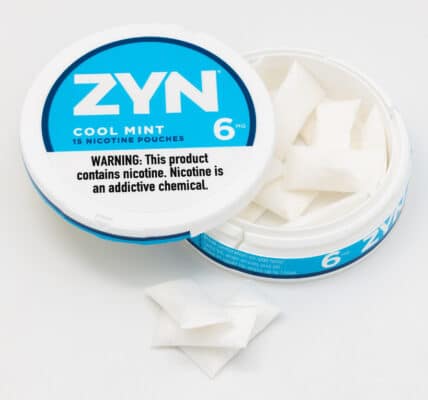
- Nicotine pouches
Dr. Kluge notes that prohibitions on advertising nicotine products to children don’t seem to apply online, where social media influencers casually use or endorse harmful products without disclosure or disclaimer.
Dr. Kluge encourages the EU member states to take immediate action to implement the restrictions on advertising contained in the WHO Tobacco Advertising Directive. He encourages the use of tax policy, regulatory oversight, and social media regulation to curb the promotion of nicotine products to children.
Unfortunately, we live in an era of capitalism practiced without conscience. Corporations are allowed to design addiction engines, such as vaping devices, prediction markets, and AI chatbots, and regulators are slow to catch up. When they do catch up, they are often bought off and resisted.
It’s important that people understand that these corporations are actively trying to addict them, and that the government is unlikely to stop them. It’s up to us to stay informed and make smart choices.
Written by Steve O’Keefe. First published May 12, 2026.
Sources:
“Big Tobacco is No Longer Selling Cigarettes — It Is Engineering Addiction,” Health Policy Watch, April 5, 2026.
“Prevalence of tobacco and e-cigarette use by young people in the WHO European Region in 2024,” World Health Organization, February 25, 2026.
Image Copyright: danscandal.