GLP-1 Effects on Psilocybin Mushrooms
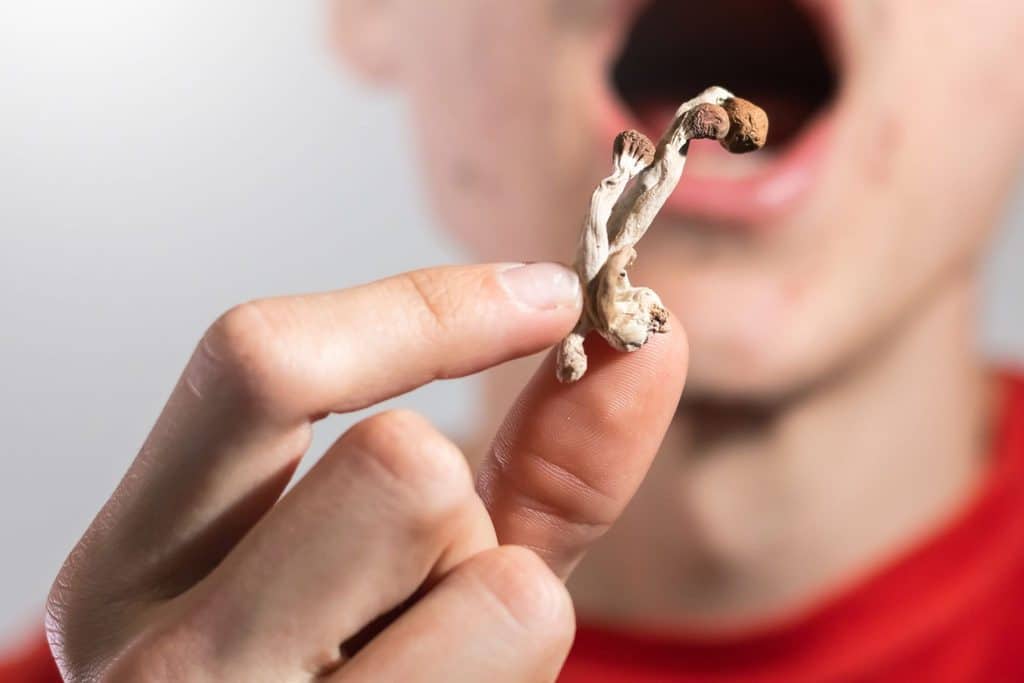
There is a surge in GLP-1 use for diabetes, obesity control, and subsequent weight loss across the country. At the same time, there is renewed interest in psilocybin mushrooms due to some easing of legalization of psychedelic research (notably, however, not always legal-legal research). So it is natural that researchers ask, what happens when someone using GLP-1s decides to use mushrooms? What can this combination tell us about the brain’s reward system?
Anecdotal reports indicate that psychedelics behave differently when used by someone on GLP-1s. First, the GLP-1 slows the digestive system. As a result, it can delay, sometimes by hours, the onset of a psychedelic trip compared to the typical onset of 45-90 minutes.
The “lemon tek” technique of soaking mushrooms in vinegar or lemon juice to convert psilocybin into the active, blood-brain barrier-crossing compound psilocin is one reported workaround to get the tripping effects rather than waiting for the slowed digestive tract to do that chemical restructuring work.
But, results vary. Users report “blunted or unpredictable effects, abrupt drop-offs instead of a gradual taper, and ‘non-event’ experiences where no noticeable effects occur.”
Neuroscientist Ali D. Güler of the University of Virginia was briefly interviewed on the interplay of GLP-1s and psilocybin mushrooms. There is still so much to learn.
He said:
Not only do we not know a lot of things about how [GLP-1] works, especially in terms of curbing food intake, we also don’t know much about the interactions in the brain.
He is currently studying GLP-1 “small molecules,” which are smaller than the peptides used in GLP-1s but are thought to work similarly. “The small molecules have been approved earlier this year, and they will likely have a bigger market share soon. But receptors that they target are obviously the same,” he told the interviewer.
Güler went on to describe how the “small molecules” affect different parts of the brain. Here’s what’s exciting to him (emphasis added): “This is the first time that we’ve seen that we can actually segregate homeostatic feeding, which is driven by the hypothalamus versus the more hedonic or reward-based food consumption. We got quite excited that one brain area might be more affecting reward-based eating only.”
The combination of GLP-1 and psychedelic use could be dampened, akin to how appealing food is when you shop when hungry compared to how you shop for food after a large meal. GLP-1s might make you less inclined to indulge in psilocybin mushrooms or other psychedelics.
Right now, science lacks answers.
Some informal groups advise using sublingual (under the tongue) or buccal (cheek pouch) administration of psilocin, the compound psilocybin becomes in the body, to bypass the gut influenced by GLP-1s. Still, that’s no guarantee for a successful “trip.”
In fact, a majority of people curious about the benefits of psychedelics were disappointed, according to the 2024 National Survey Investigating Hallucinogen and Trends (NSIHT), which recruited a “neutral population to provide an unbiased snapshot of real-world psilocybin experiences that avoids psychedelic enthusiasts and critics.” In fact, 53.3% reported no clear mental health benefits, and 21.2% actively disagreed that psilocybin improved their mental health, while 32.1% remained neutral.
Dr. Kristin Speer, PharmD, BCPS, goes on to report, “Furthermore, the NSIHT data revealed that 28.8% of psilocybin users consumed alcohol during their experience, and 37.9% combined it with cannabis. These substances are known to diminish, or add risk to, the psilocybin journey experience and extended outcomes.”
GLP-1s add another layer of perhaps multiple unintended and unknown interactions with psychedelics. Interestingly, Dr. Speer’s writing is published on PsychedelicInteraction.com, which appears to have been an online tool that has since been taken offline.
The website’s index page states:
We have sunset the tool due to the significant operational demands, clinical oversight, and evolving regulatory considerations involved in maintaining a specialized resource of this kind. […] The Interaction Checker was created to support harm reduction and informed conversations through evidence-based, pharmacist-developed education about psilocybin and medication interactions.
It appears many find that the hype outpaces the mental health benefits. Add GLP-1s to the mix, and the experience is still muted. Although many psychedelic proponents dismiss the idea of addiction, the Unified Theory of Addiction maintains that any activity can become addictive if it is used as stress displacement. Those on GLP-1s might not get the good “trip” they had hoped for.
Written by Katie McCaskey. First published October 20, 2026.
Sources:
“Psilocybin Providers Follow Safety Guidelines, Study Finds,” Washington University, October 12, 2026.
“What happens when GLP-1s mix with psychedelics? 5 Questions with neuroscientist Ali D. Güler,” The Microdose, October 5, 2026.
“GLP-1 Drugs, Psilocybin Mushrooms, and the Case for Sublingual Psilocin,” Psychedelics Today, accessed October 12, 2026.
“Negative, Neutral or Unexpected Psychedelic Therapy Outcomes Can Be Due to Unrecognized Drug Interactions,” PschedelicInteractions, accessed October 12, 2026.
Image Copyright: grejak.