
Fishing for Addiction Treatment
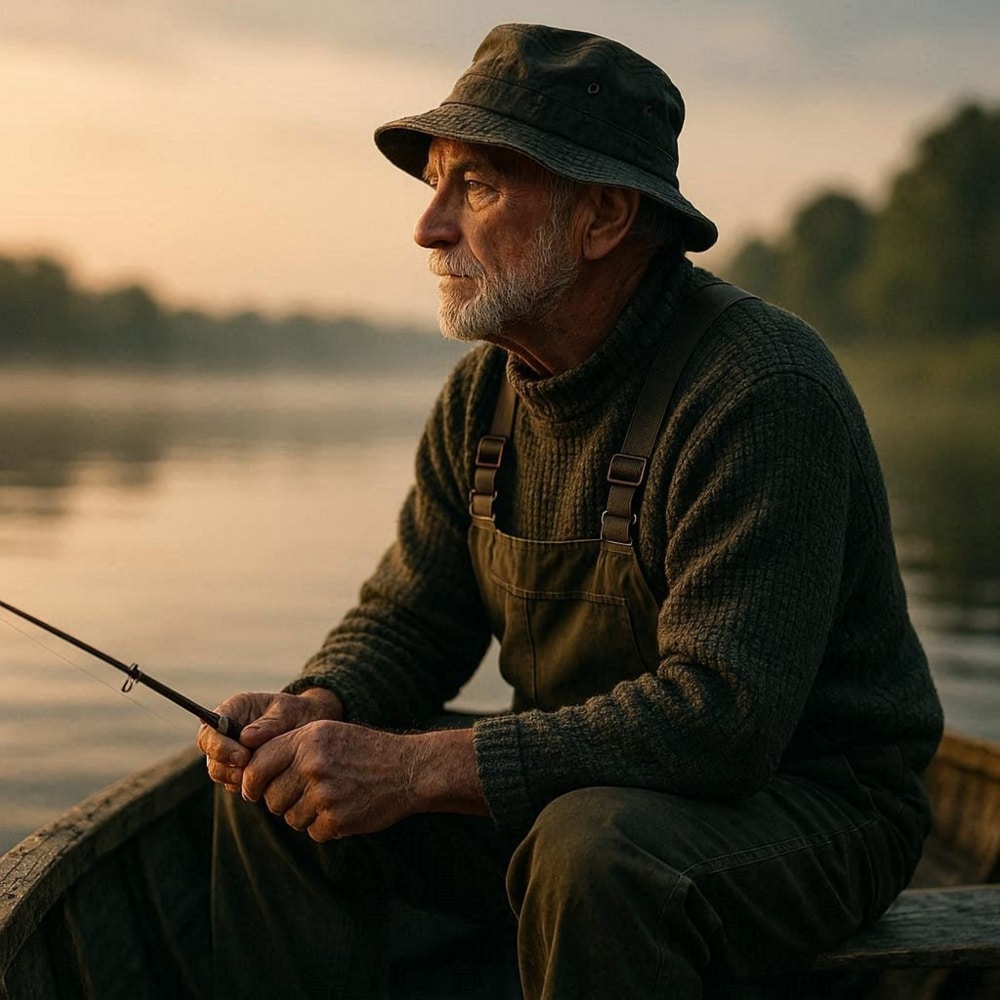
My Uncle Don was a fishing addict. A stockbroker by trade, he always kept a little fishing boat at a marina on Lake St. Clair and took it out every spare minute. I learned to fish from my Uncle Don, as well as how to water ski, how to drive a boat, and basic water safety skills.
It’s hard to imagine, but he had eight kids, and I was one of nine kids, and I believe he taught all 17 of us how to fish! In retirement, he went out fishing by himself nearly every day. I came to love just bobbing on the waves, scanning the horizon with my line out, waiting for a bite. You can do that for hours, and it’s remarkably therapeutic.
How therapeutic? Fishing is a very effective treatment for substance use disorders (SUDs). This is in part due to the role of displacement, which channels overflow stress into repetitive, soothing activities. A great deal of addiction is associated with these ritualized motions such as smoking, eating, hand motions, and mouth motions.
For example, vaping has proven a successful way to quit smoking because it involves a similar hand-to-mouth motion and inhale/exhale cycle. An experiment on using visual imagery to cue the urge to smoke found that just the sight of vaping products increased the desire to have a cigarette, whereas watching the hand-to-mouth motion of someone drinking bottled water resulted in no increase in the urge to smoke.
For a therapy to work as a substitute for addictive behavior, it has to satisfy many of the same urges found in the ritualistic behavior. Chewing gum is a substitute for cigarette smoking precisely because it involves a ritual unwrapping, hand-to-mouth motion, and chewing/biting motion. Fishing is an effective substitute for addictive behavior because it involves planning, anticipation, and ultimately tension release involving nearly constant use of the hands.
That brings us to Adam’s Parachute. The Adams Parachute, or Parachute Adams, is “the world’s most popular and versatile dry fly for trout,” according to Google. Adam’s Parachute is a nonprofit organization founded by Jim Faust in memory of his son, Adam, who died from a drug overdose. Adam’s Parachute teaches fly fishing to people in recovery.
Adam’s Parachute was the subject of an All Things Considered episode on National Public Radio (NPR) in July. Faust got lured into volunteering by teaching how to tie flies at a recovery center near his home in Massachusetts. In 2025, he taught 100 recovering addicts how to fly fish. In 2026, he hopes to double that number:
Fly fishing offers a unique opportunity to step away from past and present worries and focus on the moment. Rooted in mindfulness, the practice encourages calm, patience, and a sense of accomplishment — both on and off the water. [Adam’s Parachute] empowers those in recovery from addiction, those working in the high-stress field of addiction care, and their loved ones to find healing, focus, and peace.
For a more philosophical examination of fishing and mental health, consider this article from the Financial Times (archived here) about fly fishing and the meaning of life. The thoughtful piece is written by C. Thi Nguyen, a professor of philosophy at the University of Utah and author of the Objectionable blog.
Dr. Nguyen’s thesis is that we are designed to play games. In a world where every need is met, there would still be the need to be entertained by challenges. Even though it would be far easier and cheaper to buy fish at the market, it is the game, the challenge of fishing that hooks people. “When you fly fish, you don’t just want a fish,” Dr. Nguyen writes. “You are playing a game: you want to get that fish by a specific, difficult and fascinating technique.”
It is the ritual that makes fishing so satisfying. The physical activity helps satisfy the need for recovering addicts to have something to do with their hands. The mental activity of monitoring the water and the weather teaches mindfulness — how to stay in the present instead of dwelling on the past or obsessing about the future.
Fishing focuses on the journey rather than the destination. Dr. Nguyen releases the trout he catches. The people in recovery who Jim Faust teaches come to enjoy the journey of life again, an important step in resisting cravings and avoiding relapse.
Written by Steve O’Keefe. First published August 19, 2026.
Sources:
“Exposure to electronic nicotine delivery systems (ENDS) visual imagery increases smoking urge and desire,” Psychology of Addictive Behaviors, 2016.
“He lost his son. Now he’s teaching fly fishing to help others suffering from addiction.” All Things Considered, July 20, 2026.
“The grasshopper was right all along: Why play is at the core of a meaningful life.” Financial Times, August 8, 2026.
Image Copyright: memetiqaosvor.