Assessing Recreational Marijuana Legalization in Massachusetts
Associated Press journalist Leah Willingham took to X just before Halloween and posted a request:
Hi! I’m a journalist for The Associated Press and I’m looking to speak to people who are daily cannabis users in Massachusetts — both people who feel the drug has improved their quality of life and those who want to moderate their use, but are struggling to do so.
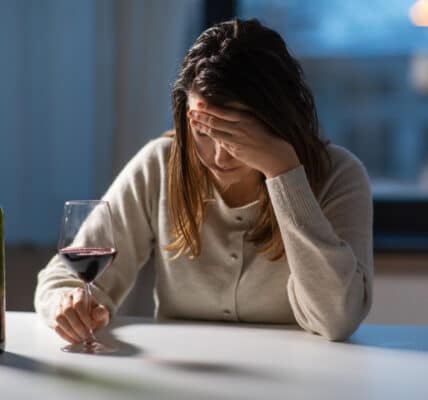
The post helped Willingham fill out a story on cannabis use disorder (CUD) in Massachusetts with interviews. The article, published a month later, is indeed a cautionary tale for regular cannabis users presented in a way that also manages to glamorize the practice.
Willingham focuses on the stories of individual cannabis users and avoids a statistical look at the practice in Massachusetts. So let’s start there, with the prevalence of cannabis use in Massachusetts after recreational use was legalized but before any recreational cannabis stores had opened. This survey provides a baseline prior to liberalization.
- 21.1% of adults reported cannabis use within the past 30 days
- Men used cannabis more than women by a factor of 1.3
- 46.2% of 18-25 year olds used cannabis, the highest usage rate
- Those who used alcohol were 1.9 times as likely to use cannabis
- Those who used “other drugs” were 1.7 times as likely to use cannabis
- Between 2017 and 2019, 132,000 people in Massachusetts received a CUD diagnosis.
Massachusetts was already well above the national adult cannabis use rate of 16.7% before the sale of recreational THC. In 2023, there were “14 licensed marijuana retailers or dispensaries in Massachusetts, with another 60 licenses in process, 156 locations with provisional licenses, and 32 shops with provisional consideration,” according to a survey of Massachusetts marijuana use by AdCare Treatment Centers.
A 2024 report on cannabis use in Massachusetts children, published in Injury Prevention, found that from 2016 to 2021, there were 538 hospitalizations and 2,357 emergency room visits for patients under 19 years old. For patients of all ages, the rate of emergency room visits shot up 60% from 18.5 visits per 100,000 people to 31.0 visits per 100,000.
An assessment of marijuana use in Massachusetts conducted by The Harvard Gazette, like the Associated Press story, relies on interviews. But these interviews are with:
Kevin P. Hill, Associate Professor of Psychiatry at Harvard Medical School and Director of Addiction Psychiatry at Beth Israel Deaconess Medical Center
Peter Grinspoon, Instructor in Medicine at Harvard Medical School and author of Seeing Through the Smoke: A Cannabis Specialist Untangles the Truth about Marijuana
Michael Flaherty, Assistant Professor of Pediatrics, Harvard Medical School, and Pediatric Critical Care Physician, Massachusetts General Hospital
Carmel Shachar, Assistant Clinical Professor at Harvard Law School and Faculty Director of the Health Law and Policy Clinic at Harvard Law School
Willingham does not even mention the leading cause of cannabis emergency room visits for children, which is ingesting THC-infused gummies or chocolates. “In the zero-to-5 age group, we saw about a fourfold increase” after recreational marijuana was legalized, says Flaherty, adding “and in the 6-to-12 age group, a sevenfold increase.”
Grinspoon says it’s not just the kids who are having problems with THC-laced gummies and candies:
[A]dults are also prone to overconsumption when cannabis is made to taste good. I’m firmly opposed to turning cannabis into candy — or pizza sauce or hot sauce or any other type of food — and I’ve been blowing this horn for a long time.
Dr. Hill says, “My colleagues and I are treating more and more people who have developed cannabis use disorder.” He blames, in large part, the growing potency of commercial cannabis products, which have grown in strength from 3%-4% THC to 20%-30% THC for cannabis flower.
“[V]ape oils and concentrates can reach 80% to 95% THC,” according to Willingham at the Associated Press. The people with CUD she interviewed are using these high-THC concentrates. In the extreme, these concentrates can cause cannabis-induced psychosis, complete with hallucinations, delusions, and speech difficulties.
Despite all the foregoing information, both the Associated Press and The Harvard Gazette stress the benefits that have come with recreational marijuana. The AP piece is laced with triggering images of cannabis flowers. It quotes Dr. Jordan Tishler, a former emergency physician who now treats medical cannabis patients in Massachusetts, as saying, “It’s a medicine. It can be useful, but it can also be dangerous — and access without guidance is dangerous.”
The Harvard Gazette is even more positive about the overall impact of legalization on the people of Massachusetts. First, there’s the tax revenue, estimated at $920 million so far. Then there are criminal justice benefits. An 80% reduction in arrests for possession means a whole lot less money spent on police, attorneys, courts, and jails, and a reduction in stigma for recreational users.
Third, cannabis products have been proven effective in treating certain disorders, such as epilepsy. They have been shown to decrease pain and reduce nausea in chemotherapy patients. Willingham points out that it helps users relax, reduce anxiety, and cope with stress.
The story of recreational marijuana in Massachusetts is mixed. The message seems to be that it’s working for the majority of people, but more needs to be done to keep cannabis products — especially high-THC concentrates — out of the hands of children.
Written by Steve O’Keefe. First published December 3, 2025.
Sources:
“They relied on marijuana to get through the day. But then days felt impossible without it,” Associated Press, November 25, 2025.
“Recreational cannabis legalization and pediatric exposures in Massachusetts,” Injury Prevention, January 2024.
“Was legal pot a good idea?,” The Harvard Gazette, July 2025.
“Massachusetts Marijuana Stats & Treatment,” AdCare Treatment Centers, April 21, 2025.
“Prevalence and Correlates of Cannabis Use in Massachusetts after Cannabis Legalization and Before Retail Sales,” Journal of Psychoactive Drugs, November 26, 2020.
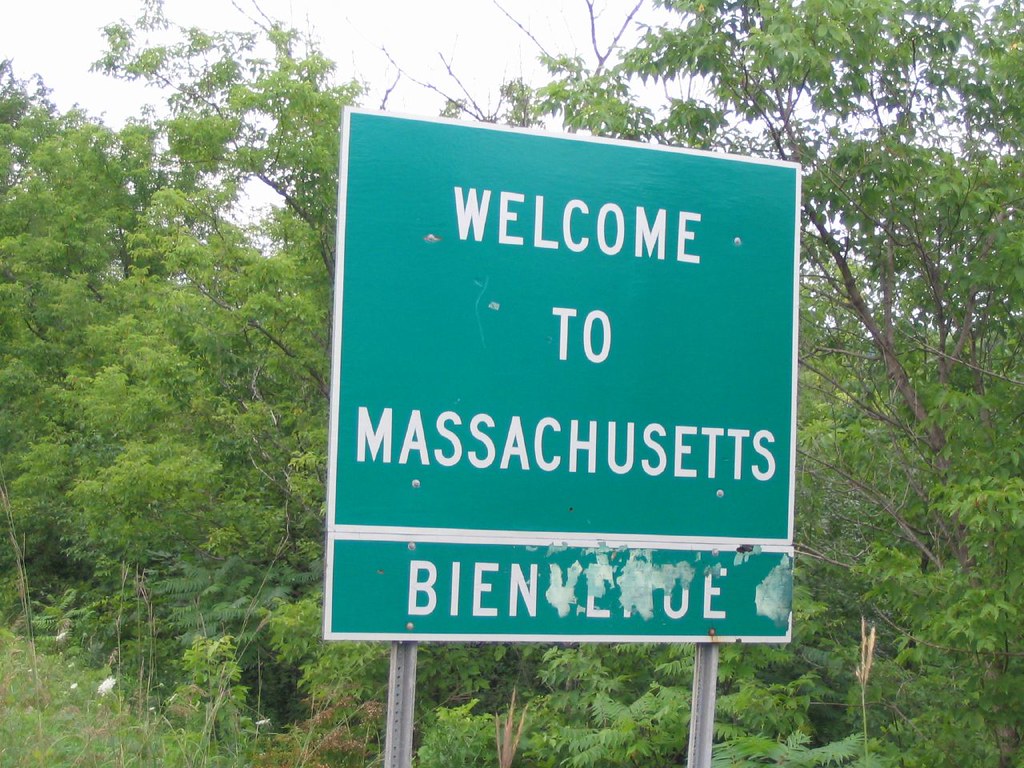
Image Copyright: Ken Lund, used under Creative Commons license.